
Sell Your Vintage Baseball Glove To Jon's Stats In San Antonio
When you have a vintage baseball glove to sell, we handle the entire evaluation and purchase process locally.

Jons Stats Jon's Stats buys and appraises vintage baseball gloves and sells vintage sports memorabilia equipment across San Antonio, TX. We evaluate gloves for cash on the spot—either at your home or by mail—and base our offers on condition grade, brand, construction details, and collector demand.

When you have a vintage baseball glove to sell, we handle the entire evaluation and purchase process locally. We come to your location in San Antonio for a free assessment, or you can ship the glove to us and receive a cash offer within two business days. During the evaluation, we check the brand stamp and tag, examine the web style and leather condition, test the lacing for breaks or brittleness, and inspect the interior padding and pocket break-in. Rawlings, Wilson, Spalding, MacGregor, and regional makers like Goldsmith and Dubow command strong prices when the leather and stitching are sound.

Antique glove value assessment starts with condition grading. We look at seam integrity along the wrist strap and thumb gusset—separating stitches are the first sign of age-related stress. Lacing wear tells us how heavily the glove was used; original lacing that's intact and supple is rare and valuable, while replaced lacing reduces the offer. Palm crease depth and pocket break-in show the glove's work history without erasing originality.
Leather quality matters enormously. Horween leather and genuine horsehide command premium prices because they age gracefully and develop character. Heart of the hide construction—thicker, hand-selected material—signals higher-grade factory output and justifies stronger offers. Oil treated leather with a hand-rubbed finish shows factory care and resists drying and cracking better than untreated stock. Split welt construction, common through the 1930s and 1940s, is a positive indicator of mid-tier manufacturing quality.
Vintage baseball glove dating relies on maker marks, patent stamps, and construction signatures. Fingerless glove designs and minimal padding predate 1900, making them exceedingly rare. Padded palm gloves emerged in the early 1900s and became standard by the 1920s. Patent stamps—look for "King Patents" or city names like "Boston" or "Philadelphia" on the wrist strap—help pinpoint the decade. D&M (Spalding's subsidiary), Edward K. Tryon, Bon Tober, and Charles C. Carr each left distinct maker marks tied to specific production windows.
Early 20th century glove styles included the workman style baseball glove—a minimalist design with flat, unshaped palms and little to no finger padding. These gloves were made for basic hand protection on the field, not for pocket formation or complex web designs. Fingerless glove design history shows us that before 1900, players wore what were essentially leather hand covers, not the structured mitts of later decades.
Glove web construction types evolved across the decades. Early gloves used single-post designs, where one vertical post connected the thumb to the pinky finger. Lacing-strip webs became popular in the 1920s and 1930s, offering a more articulated pocket. Closed basket webs, with tighter cross-hatching, arrived later and became the modern standard.
Hand-rubbed finish and oil treated leather are markers of premium factory output. Gloves treated with oil and hand-rubbed while the leather was fresh develop a patina that synthetic treatments cannot replicate. This finish also makes the leather supple and resistant to cracking—a major reason why 1930s–1960s glove comparison often favors the older, better-treated examples.
Rawlings Heart of the Hide gloves, especially vintage examples from the 1950s onward, hold strong value because the brand's reputation for quality is well-earned. Wilson gloves with intact wrist straps and clear stamping are always in demand. Spalding and MacGregor pieces, particularly pre-1960s stock, move quickly because the original makers are now gone and supply is finite.
Light conditioning with a leather-safe oil and gentle relacing of broken strings is generally acceptable and may improve the offer slightly. However, aggressive restoration—re-shaping the pocket, dyeing faded leather, or replacing major sections of webbing—can strip originality that serious collectors and appraisers pay a premium for.
Long-term storage and preservation are critical if you're holding a glove before selling. Keep the glove in a cool, dry place away from direct sunlight and humidity extremes. Wrapping it in archival paper (not plastic) allows the leather to breathe. Do not attempt to "restore" pocket shape by breaking it in again or using heat; original break-in evidence is part of the glove's value.
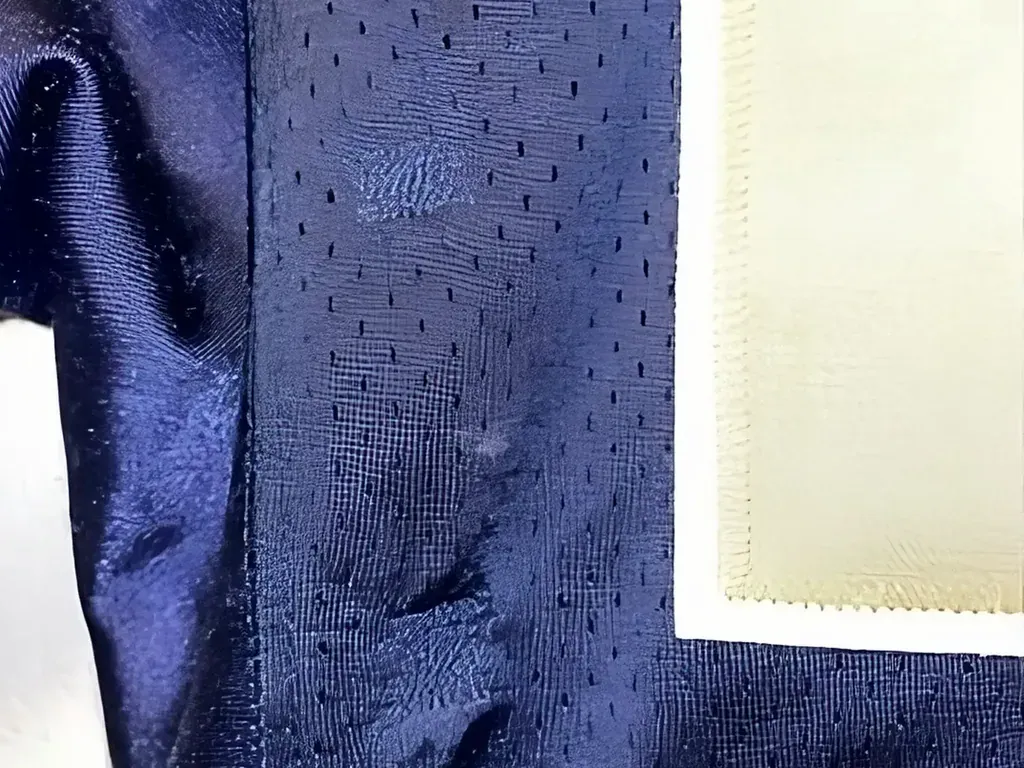
Counterfeit and reproduction tells include modern stitching patterns, synthetic material substitutes, and printing techniques that did not exist in the claimed era. Genuine horsehide and Horween leather develop a distinctive patina and crease pattern over decades. Faux leather costume gloves feel uniform, lack character creasing, and show seams and material edges that look factory-fresh. Examine leather under natural light for age-appropriate discoloration and grain variation; reproductions use modern tanning and synthetic materials that feel slick and uniform.
Safe buying red flags and scams include gloves with suspiciously perfect condition for their claimed age, gloves with anachronistic stitching or materials, and sellers unwilling to answer specific questions about construction details, maker marks, or lacing history. Era sizing standard differences also matter—pre-1950s gloves ran smaller than modern sizing, so a glove stamped "medium" from 1935 may not match a modern medium.
Collectors who hunt for vintage baseball gloves face a hard choice: fix what's broken or leave it alone. The decision changes the glove's value, authenticity, and appeal to the next buyer.
When you have a vintage baseball glove to sell, we handle the entire evaluation and purchase process locally.
Antique glove value assessment starts with condition grading. We look at seam integrity along the wrist strap and thumb gusset—separating stitches are the first sign of age-related stress.
Vintage baseball glove dating relies on maker marks, patent stamps, and construction signatures. Fingerless glove designs and minimal padding predate 1900, making them exceedingly rare.
Early 20th century glove styles included the workman style baseball glove—a minimalist design with flat, unshaped palms and little to no finger padding.
Glove web construction types evolved across the decades. Early gloves used single-post designs, where one vertical post connected the thumb to the pinky finger.
Rawlings Heart of the Hide gloves, especially vintage examples from the 1950s onward, hold strong value because the brand's reputation for quality is well-earned.
Why homeowners call us
The person who looks at what you have is the person who makes the offer and pays for it. No call centre, no consignment queue, no waiting on a decision from somewhere else.
Offers are based on recent comparable sales and the condition of the item in front of us, and we will show you both. If something is worth more elsewhere, we will say so.
Send photographs, get a quote, then post the item or arrange to meet. Nothing is committed until you accept the number.
Sellers around San Antonio can be seen in person, and anyone further out can post items in with tracking and insurance.
FAQ
Yes. Gloves from the 1920s through 1960s with sound leather, intact stitching, and clear maker marks regularly sell for $50 to several hundred dollars, depending on brand, condition, and rarity. Exceptional pieces—rare regional makers or pristine early examples—can exceed $1,000. Condition, originality, and construction quality drive the market.
Check the wrist strap for stamped patent numbers, city names, or "Pat. Applied For" language. Look at the webbing design and construction style: fingerless or minimal padding suggests pre-1900; grey split welt is common 1930s–1950s. Maker marks inside the glove or on tags provide firm dating anchors. Construction details and leather treatment are more reliable than appearance alone.
Value depends on brand, condition grade, construction era, and leather quality. A Rawlings or Wilson glove in good condition from the 1950s might fetch $150–$400; a rare Goldsmith or Dubow piece could reach $300–$800. Condition grade—seam integrity, lacing wear, pocket break-in—matters more than age alone. We provide a free evaluation and cash offer.
Workman style gloves have flat, unshaped palms with minimal or no finger padding, designed for basic hand protection rather than pocket formation. Modern gloves feature structured webbing, padded fingers and palm, a shaped pocket, and articulated wrist support. Workman gloves are rare and valued by collectors for their historical significance.
Genuine horsehide and Horween leather develop a distinctive patina and crease pattern over decades. Faux leather costume gloves feel uniform, lack character creasing, and show seams and material edges that look factory-fresh. Examine the leather under natural light for age-appropriate discoloration and grain variation; reproductions use modern tanning and synthetic material that feels slick and uniform.
Light conditioning and gentle relacing are acceptable and may improve the offer slightly. Avoid aggressive restoration—re-shaping pockets, dyeing leather, or replacing major webbing sections erases originality that collectors pay premium prices for. Original break-in marks and patina are assets, not flaws. Preservation outweighs cosmetic improvement in the vintage market.
Call 726-237-8297 or send photographs and we will come back with a number.