Sell Autographed Jerseys in San Antonio
When you walk in or mail a jersey to us, the first step is a visual inspection that takes under 15 minutes.
Jons Stats helps you sell autographed jerseys, signed sports memorabilia, and authenticated collectibles across San Antonio, TX. We handle intake, signature verification, and pricing so you move items quickly at fair market value. We buy retail jerseys, team-issued pieces, throwback jerseys, and game-worn items—authenticated or raw—and we work with walk-in sellers and mail-in submissions.
When you walk in or mail a jersey to us, the first step is a visual inspection that takes under 15 minutes. We sort items by signature type—through-hand autographs, sticker autographs, auto-pen signatures—before we pull comps and move to pricing. Most sellers don't know whether they have a retail jersey signed at an event, a team-issued piece from a locker room, or a game-worn jersey that saw actual field time. That distinction matters for valuation. A throwback jersey signed by a retired player prices differently than a modern reproduction bearing the same name. We separate the stack by category first because each category moves differently in the collectibles market.
The intake process asks basic questions about memorabilia buyer assessment: Do you have a certificate of authenticity or COA? Is there any provenance documentation—a photo of the signing, a team letter, a receipt from the event? Has the jersey been cleaned, framed, or altered since you acquired it? Your answers don't kill a deal, but they shape the offer. A jersey with zero documentation and a jersey with a witnessed-signing photo price out completely differently, even if the signature looks identical under magnification.
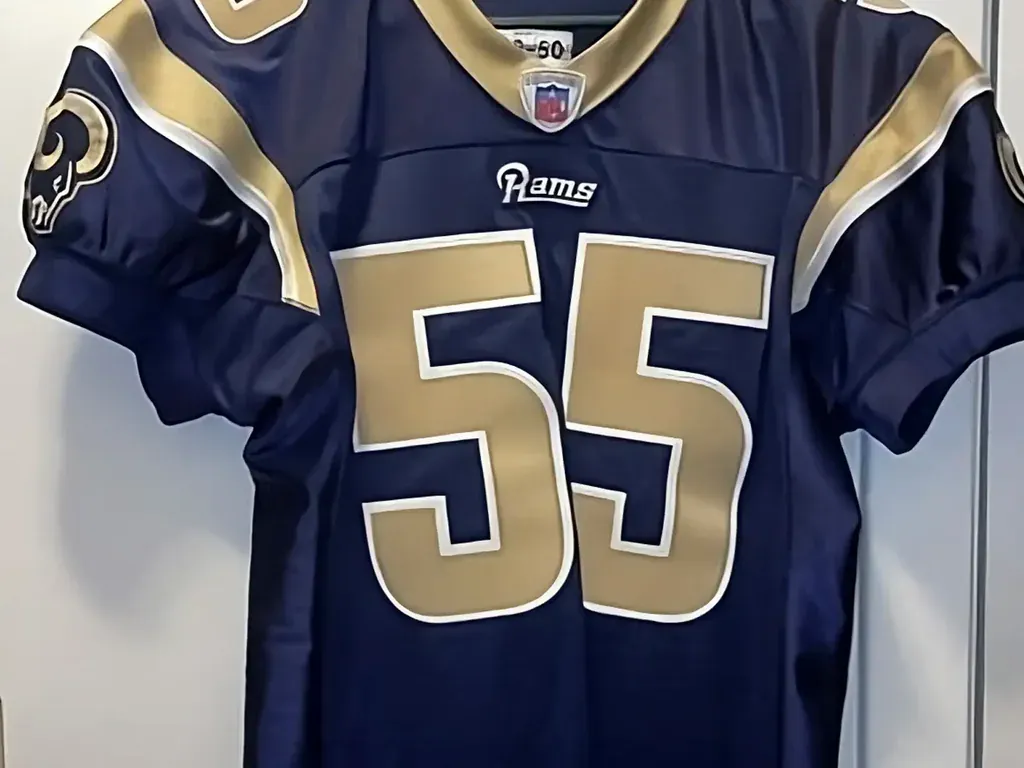
Signature verification separates real from forged work. A through-hand autograph—ink applied directly to the fabric—penetrates the fibers and shows a natural bleed pattern under magnification. The pen pressure varies as the player's hand moved. A sticker autograph sits on a separate label adhered to the jersey, which means it can be removed and swapped to a different piece entirely. Neither is inherently bad, but they price differently and require different authentication pathways.
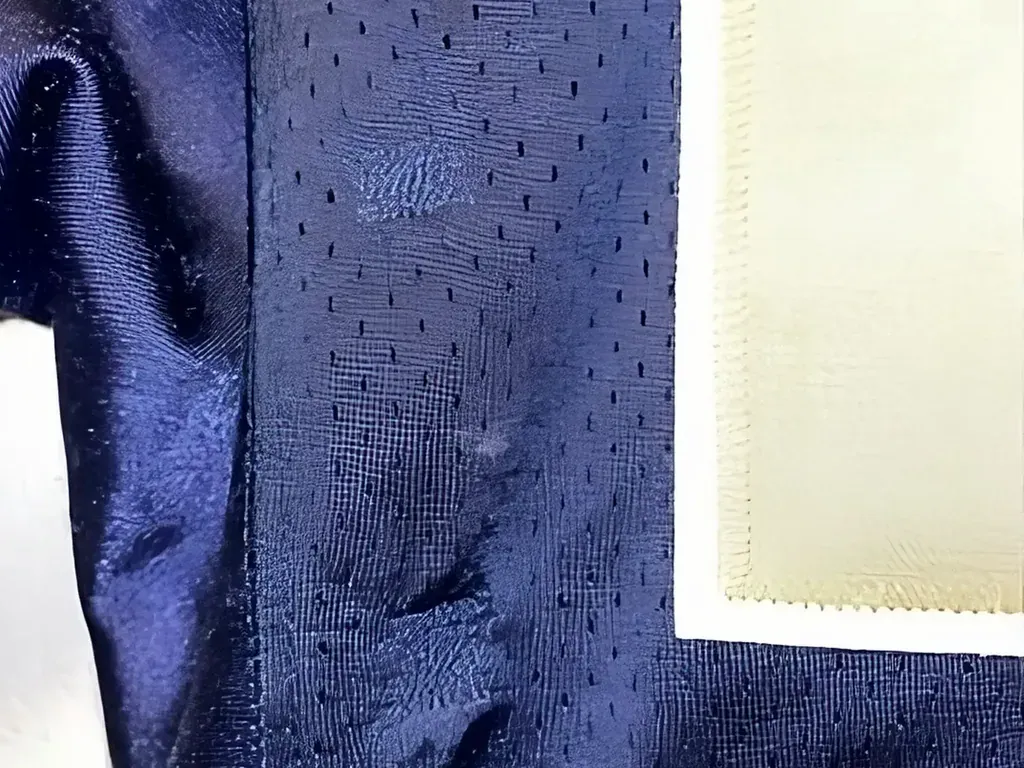
On-item authentication relies on provenance documentation paired with signature analysis. A COA from a reputable house like JSA or PSA/DNA means the signer was documented at a signing event, and the signature was compared against an exemplar database built from witnessed, videotaped sessions. PSA/DNA and JSA use this method. SGC grading and BGS certification also grade the condition of the jersey on a 1-10 scale in addition to signature work. Steiner authentication specializes in game-worn equipment.
Legitimate versus worthless authentication certificates differ sharply. A certificate of authenticity without a matching serial number that you can look up on the issuer's website is treated as unverified—it's a receipt, not proof. Many certificate mills operate online and issue COAs without any real examination. Real certificates have verifiable issuer records and serial-number databases. We check them before we make an offer. PSA certification and PSA/DNA authentication are the market standard for most autographed jerseys because they maintain exemplar databases and assign unique serial numbers tied to detailed photo records.
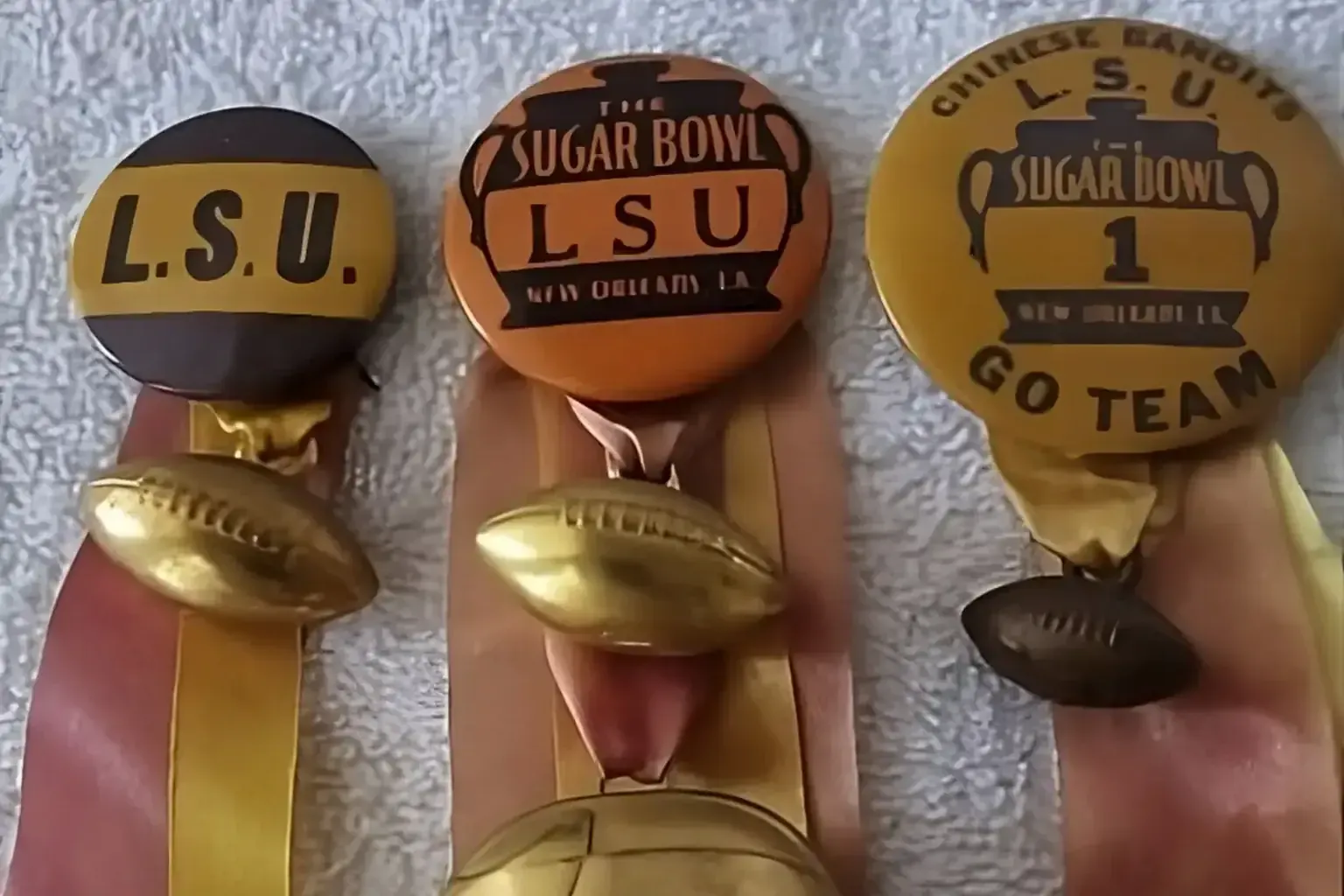
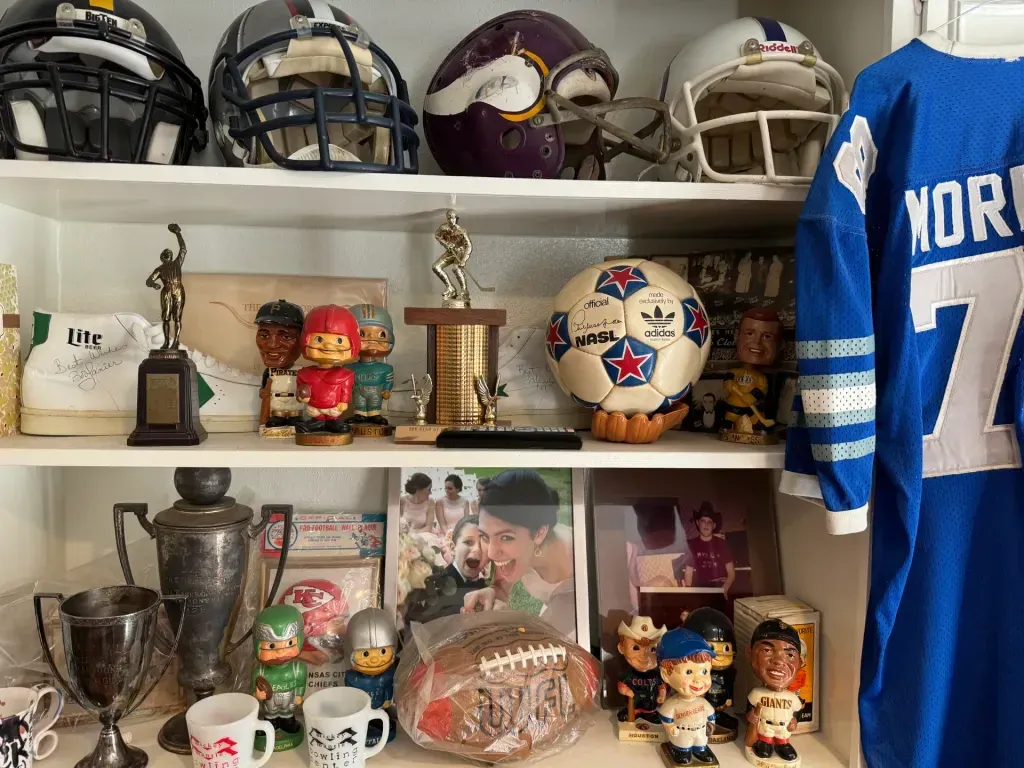
Team-signed footballs, official MLB baseballs, and game-worn helmets move through different channels and carry their own valuation logic. A photomatched jersey—one linked to a specific game via frame-by-frame video analysis of stitching patterns, jersey numbers, and event photos—commands a premium because the game-time use is documented. That same photomatching applies to signed equipment: staining patterns, mesh tears, and sweat discoloration can be cross-referenced to event footage to confirm authenticity and boost price.
Signed baseball and bat valuation depends heavily on inscriptions and condition. A bat used in a specific game and authenticated through photomatching or equipment tracking brings more than a bat signed at a card show. Condition grading on equipment checks for turf staining that won't wash out, mesh tears in specific locations, and discoloration patterns consistent with repeated use. A signed football with visible game wear and matching documentation is worth far more than a pristine-looking ball with the same autograph. Collectors pay for the story.
Signed sports memorabilia valuation weighs four factors: the player's career tier, the era of the signature, the rarity of the item type, and current collectibles market trends for that player. A Hall of Famer's autographed collectibles pricing reflects stable demand. A mid-tier player's estate appraisal might reveal jerseys that cost more to authenticate and ship than they'll sell for, which is why we bundle low-demand items into lots.
Recent comparable auction sales set the floor. We check closed sales—what actually sold, not what someone hoped to get. A vintage throwback jersey autographed by a player who peaked 15 years ago might have sold for a premium then. That same player's signed jersey today might fetch considerably less because collector interest shifted to other eras. We price against today's market, not historical peaks. Lesser-known players' signed sports memorabilia often price below authentication and shipping costs combined. In those cases, batching multiple items into a single consignment auction is the only path to profitability.
If you have a full collection, we walk through an estate appraisal process. Every piece gets inventoried by category—authenticated versus raw, game-worn versus retail, condition tier. Framed memorabilia gets unframed because backing boards routinely hide moisture damage, mold, and foxing that tank value.
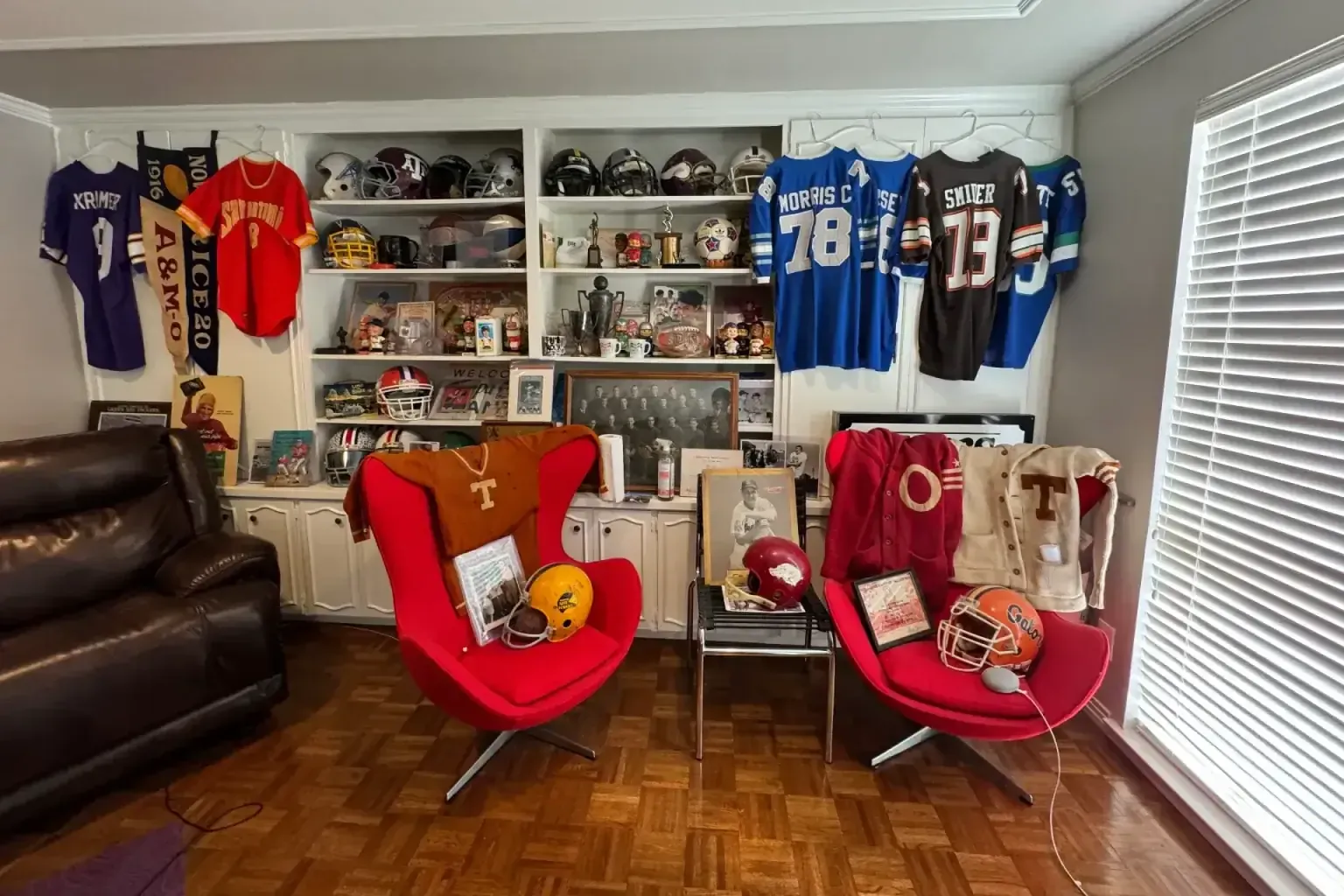
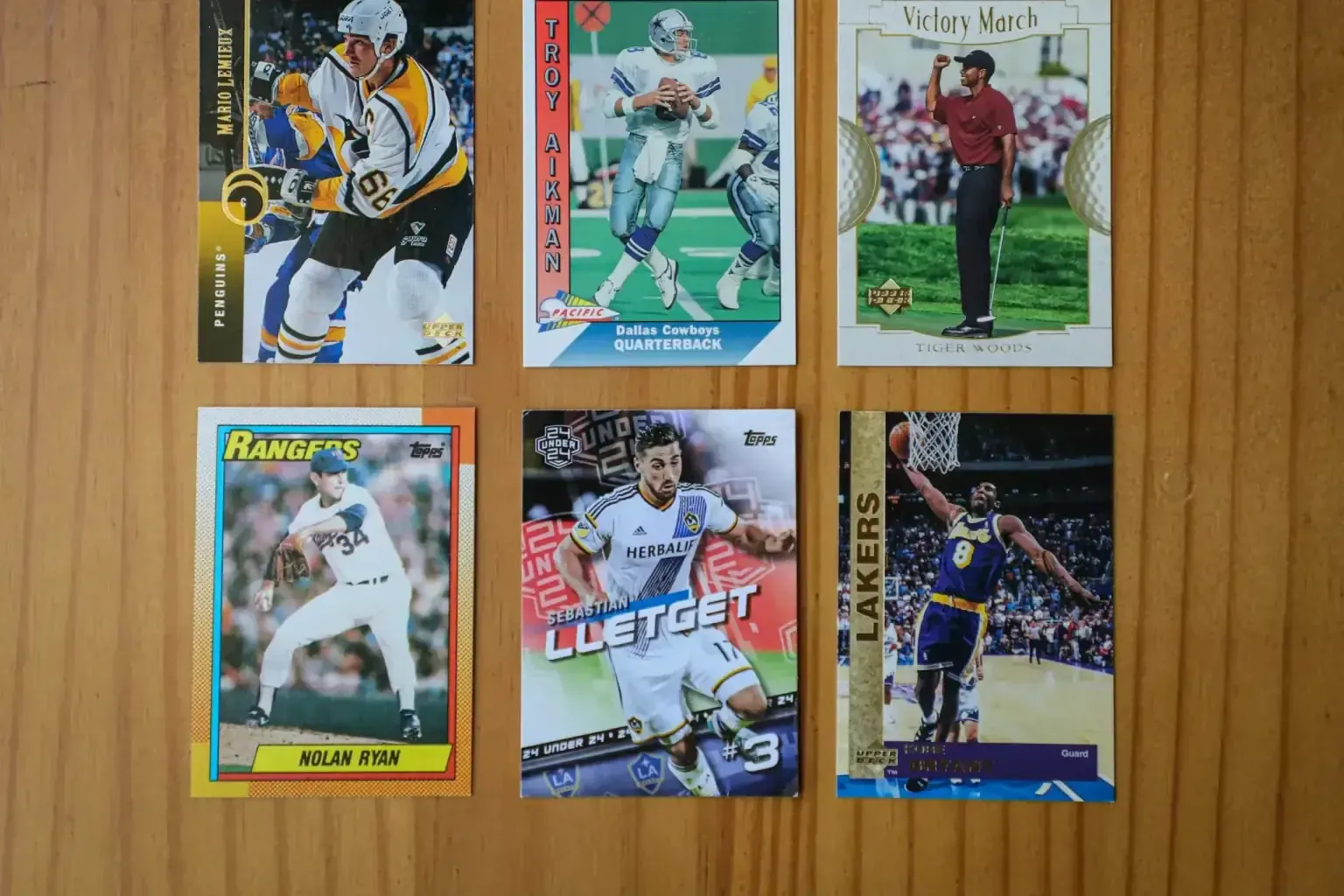
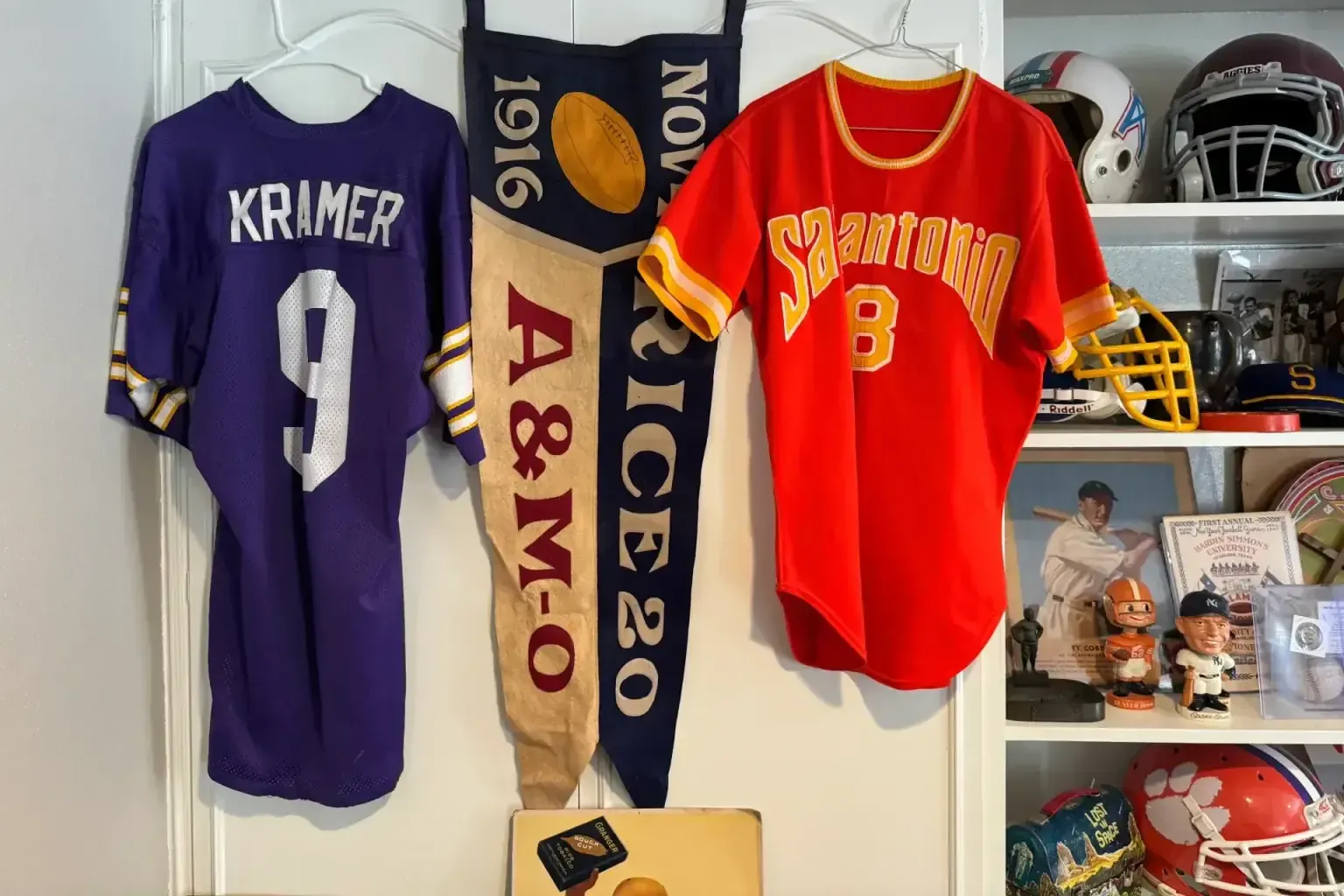
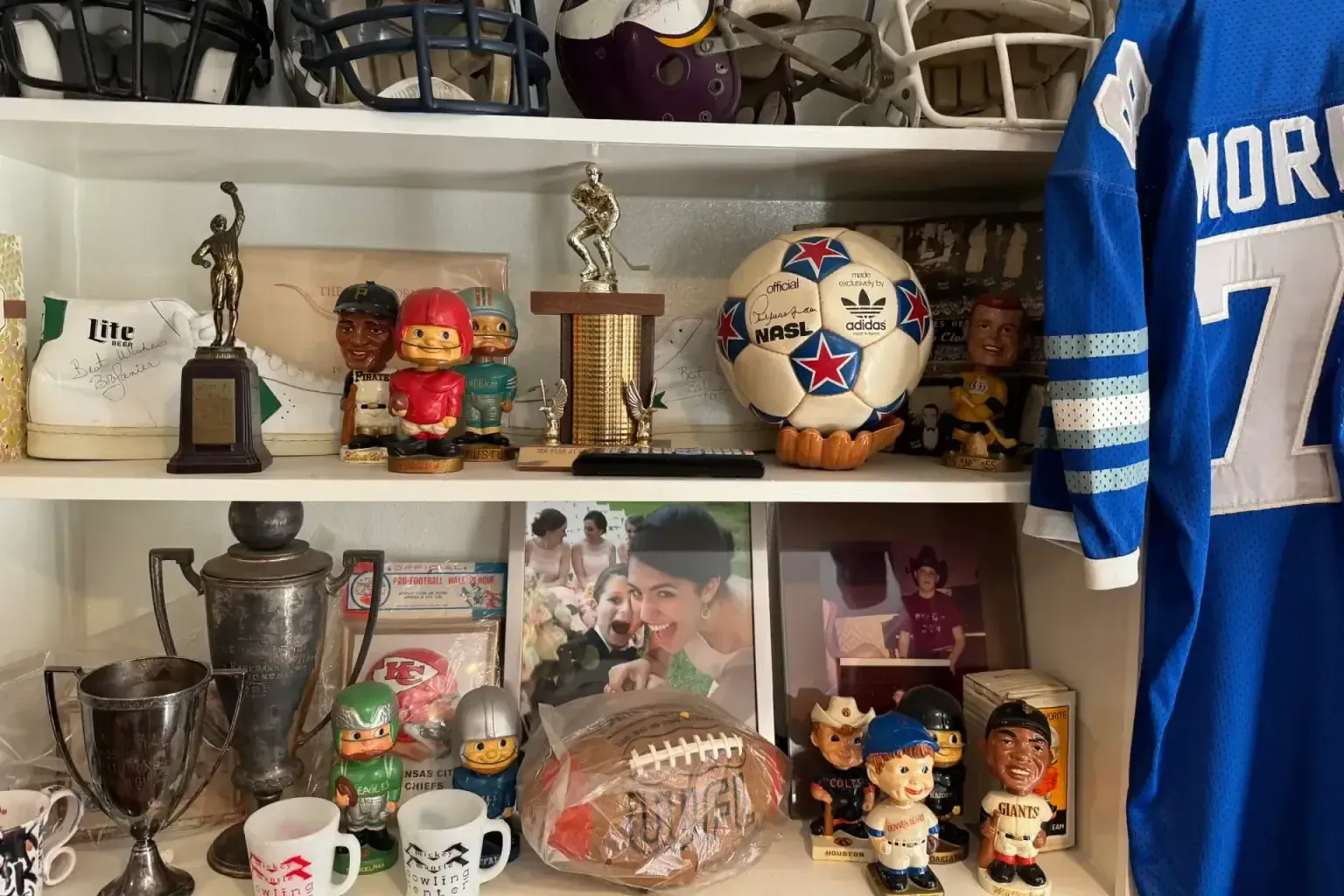
Direct sale platforms differ in fees, authentication requirements, and buyer disputes. Auction sites charge percentage-based commissions and handle escrow but expose you to return requests if a buyer questions authenticity. Consignment houses do the work but hold payment for 30-90 days. Local buyers eliminate shipping risk but limit your pool. We buy outright or place items on consignment depending on what moves fastest for your specific pieces. Platform choice depends on collection size, individual item value, and your tolerance for transaction time.
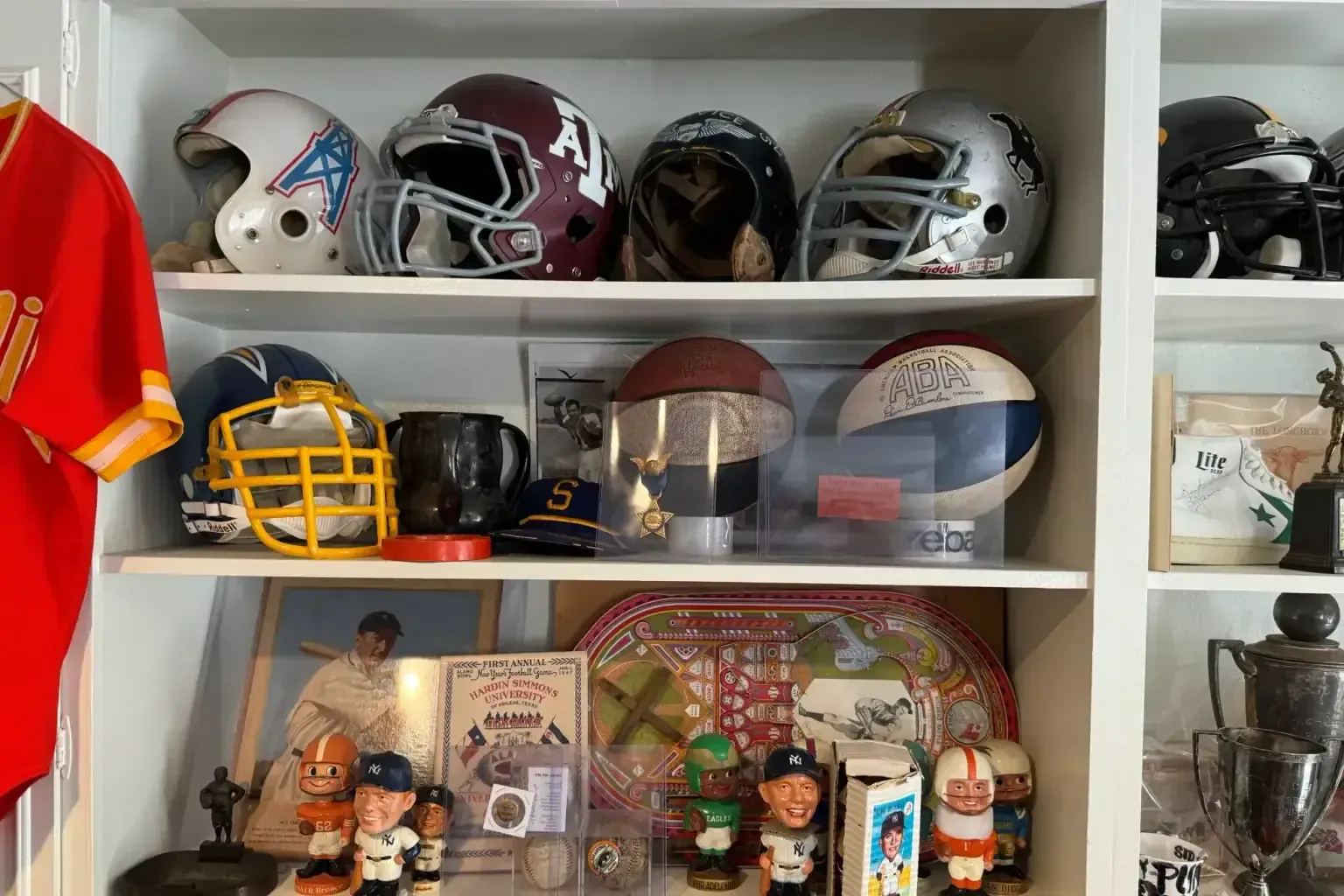
Learn to identify common forgery detection markers. Mismatched font on the size tags is a red flag—manufacturers use consistent type. Uneven stitching on numbers added after the jersey left the factory shows up immediately under magnification. Faded ink with no bleed pattern under UV light suggests the signature was printed or applied after the fact, not handwritten.
Sellers often receive lowball offers from competitors who bank on time pressure. Never accept an offer without requesting itemized reasoning. A legitimate buyer explains exactly what they see: the jersey grade, signature authenticity concerns, current comparable sales, and shipping costs. Negotiating against lowball offers is part of the process. If the reasoning is vague, counter with your own comps and ask for a revised bid.
Storage and handling determine long-term condition. Never fold a signed jersey on a hanger for storage—the weight stretches the fabric and distorts the signature. Fold it gently and wrap it in acid-free tissue. Never use regular tissue or newspaper because the acid yellows fabric and signatures over time.
Ship flat in a rigid mailer with the signature side protected by glassine paper, not plastic wrap, which traps moisture. Never mount a framed autographed jersey with adhesive-backed UV glass because the adhesive off-gasses and yellows over decades, damaging ink. Use museum-quality framing with acid-free mat board, UV-protective acrylic, and archival glue if you frame at all. Better yet, store it flat until you sell. Preservation without damaging value means keeping jerseys cool, dry, and unfolded until the buyer takes possession.
Getting an autographed jersey to a buyer safely is as important as authenticating it. A damaged item loses value fast, and careless packing can mean creases, water damage, or signature smudging that tanks the sale price. We handle shipping and packaging the way we handle everything else—with the specific steps that protect what you're selling.
When you walk in or mail a jersey to us, the first step is a visual inspection that takes under 15 minutes.
Signature verification separates real from forged work. A through-hand autograph—ink applied directly to the fabric—penetrates the fibers and shows a natural bleed pattern under…
On-item authentication relies on provenance documentation paired with signature analysis. A COA from a reputable house like JSA or PSA/DNA means the signer was documented at a signing…
Team-signed footballs, official MLB baseballs, and game-worn helmets move through different channels and carry their own valuation logic.
Signed sports memorabilia valuation weighs four factors: the player's career tier, the era of the signature, the rarity of the item type, and current collectibles market trends for that…
If you have a full collection, we walk through an estate appraisal process. Every piece gets inventoried by category—authenticated versus raw, game-worn versus retail, condition tier.
Why homeowners call us
The person who looks at what you have is the person who makes the offer and pays for it. No call centre, no consignment queue, no waiting on a decision from somewhere else.
Offers are based on recent comparable sales and the condition of the item in front of us, and we will show you both. If something is worth more elsewhere, we will say so.
Send photographs, get a quote, then post the item or arrange to meet. Nothing is committed until you accept the number.
Sellers around San Antonio can be seen in person, and anyone further out can post items in with tracking and insurance.
FAQ
Jons Stats buys autographed jerseys directly via walk-in visits or mail-in submissions. We assess authenticity, pull current comps, and make a same-day or next-day offer. We also arrange consignment auction placement for estate collections. Online memorabilia selling platforms work for retail jerseys but require you to handle authentication disputes and buyer returns.
Check for through-hand ink bleed under magnification—genuine signatures show natural variation in pen pressure. Sticker autographs sit on a removable label. Faded signatures with no ink bleed under UV light are suspect. Identical signatures across multiple jerseys suggest auto-pen use. Request a COA with a verifiable serial number from JSA, PSA/DNA, or a recognized issuer. Mismatched tags, uneven stitching, and altered numbers are also red flags.
A through-hand autograph is ink applied directly to the fabric that penetrates the fibers and shows natural bleed patterns. A sticker autograph is ink on a label adhered to the jersey, which can be peeled off and moved to another piece. Through-hand signatures typically price higher because they cannot be removed. Both are legitimate, but sticker autographs require different authentication and carry lower value.
Yes. A missing COA does not disqualify a jersey. We perform in-person signature verification, check for material authenticity, and price accordingly. Raw jerseys from known signings still hold value. A generic or unverifiable COA is worse than no certificate at all because it suggests forged documentation. We judge a signature on the physical item and its documented provenance, not on paper alone.
We check recent closed auction sales for comparable items, then factor in the player's current collectibles market tier, signature type, jersey condition, and any provenance documentation. We do not use asking prices from online listings. Lesser-known players often price below authentication and shipping costs, so we recommend bundling into lots. We provide itemized reasoning for every offer and are open to counter-bids with supporting comps.
No. Bring it raw. Authentication fees run $50–$300 depending on the service, and you absorb that cost. If we determine the signature is genuine, a grading service like PSA/DNA or JSA can certify it as part of the sale process—that cost typically comes from the buyer's proceeds. Paying upfront for authentication makes sense only if you plan to keep the jersey or list it yourself online at a higher price tier.
Call 726-237-8297 or send photographs and we will come back with a number.