
Sell Your Vintage Football Helmet With Jon's Stats
Selling a vintage football helmet is not like listing shoes. Collectors want proof of origin, material condition, and era-correct details.
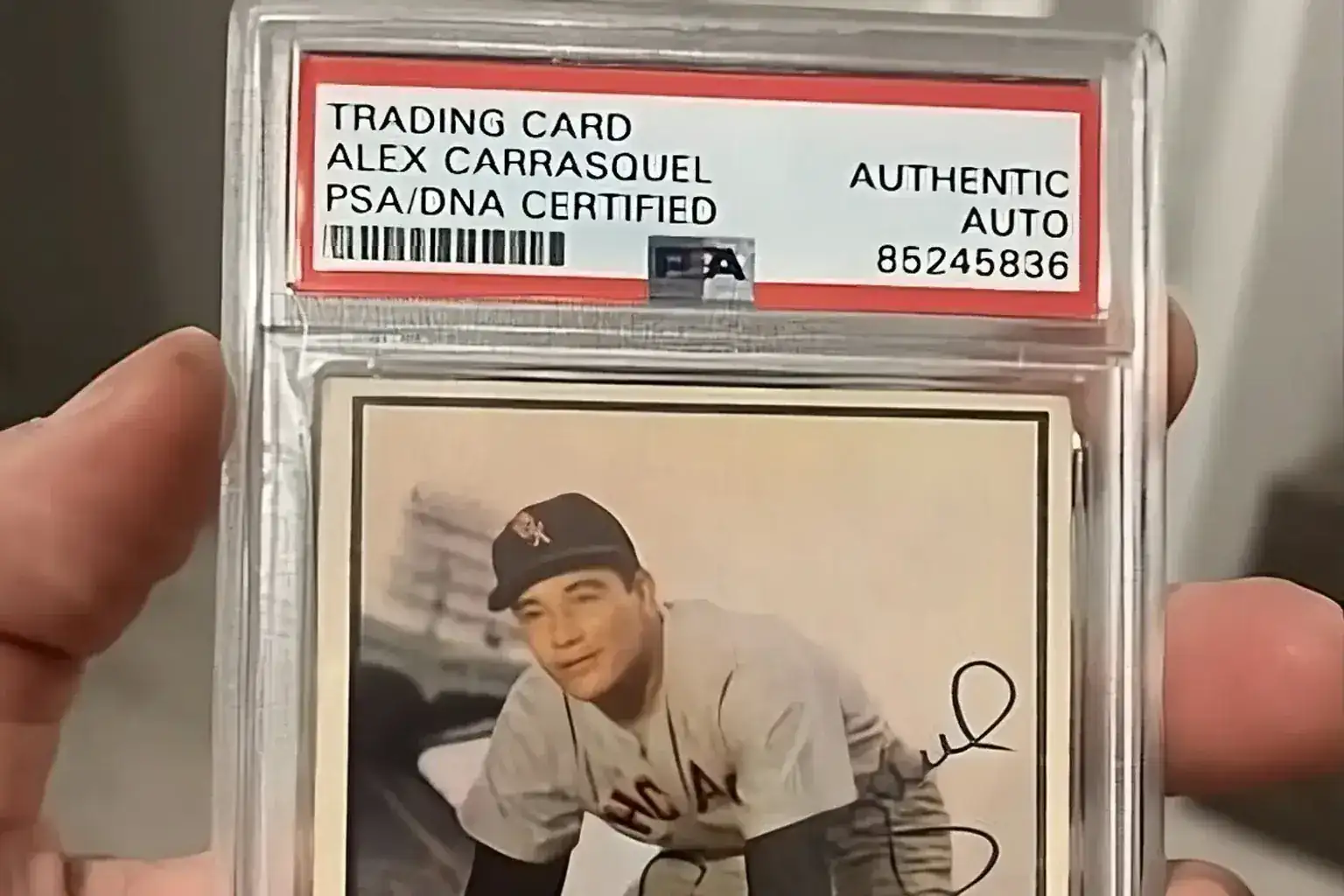
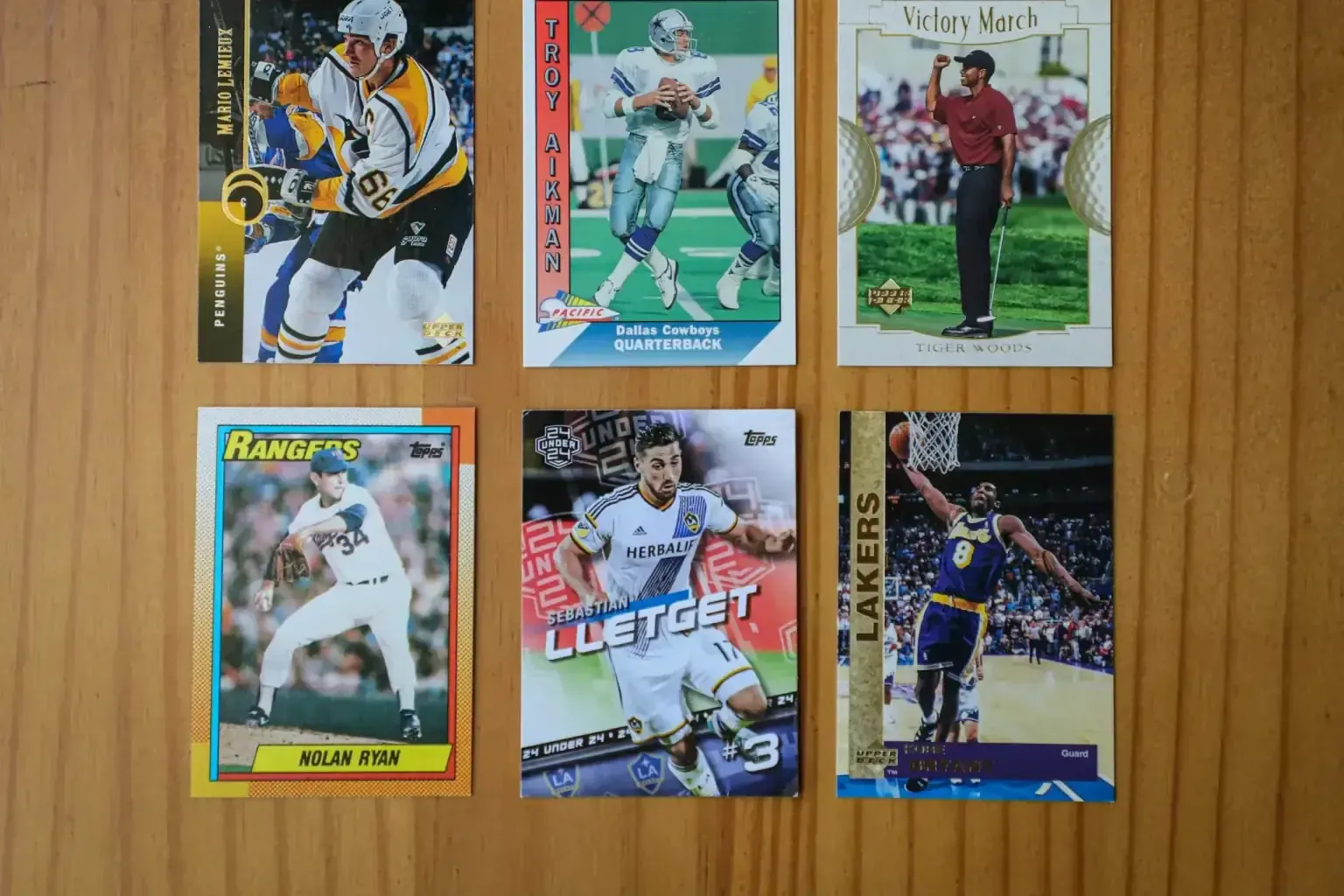
Jons Stats Jon's Stats helps collectors and casual owners sell vintage football helmets across San Antonio, TX. We handle valuation, pricing, and sale to connect you with serious buyers who understand the market.
Selling a vintage football helmet is not like listing shoes. Collectors want proof of origin, material condition, and era-correct details. We assess your helmet's condition, document it with close-up photos, and match it to the right buyer within your price range.
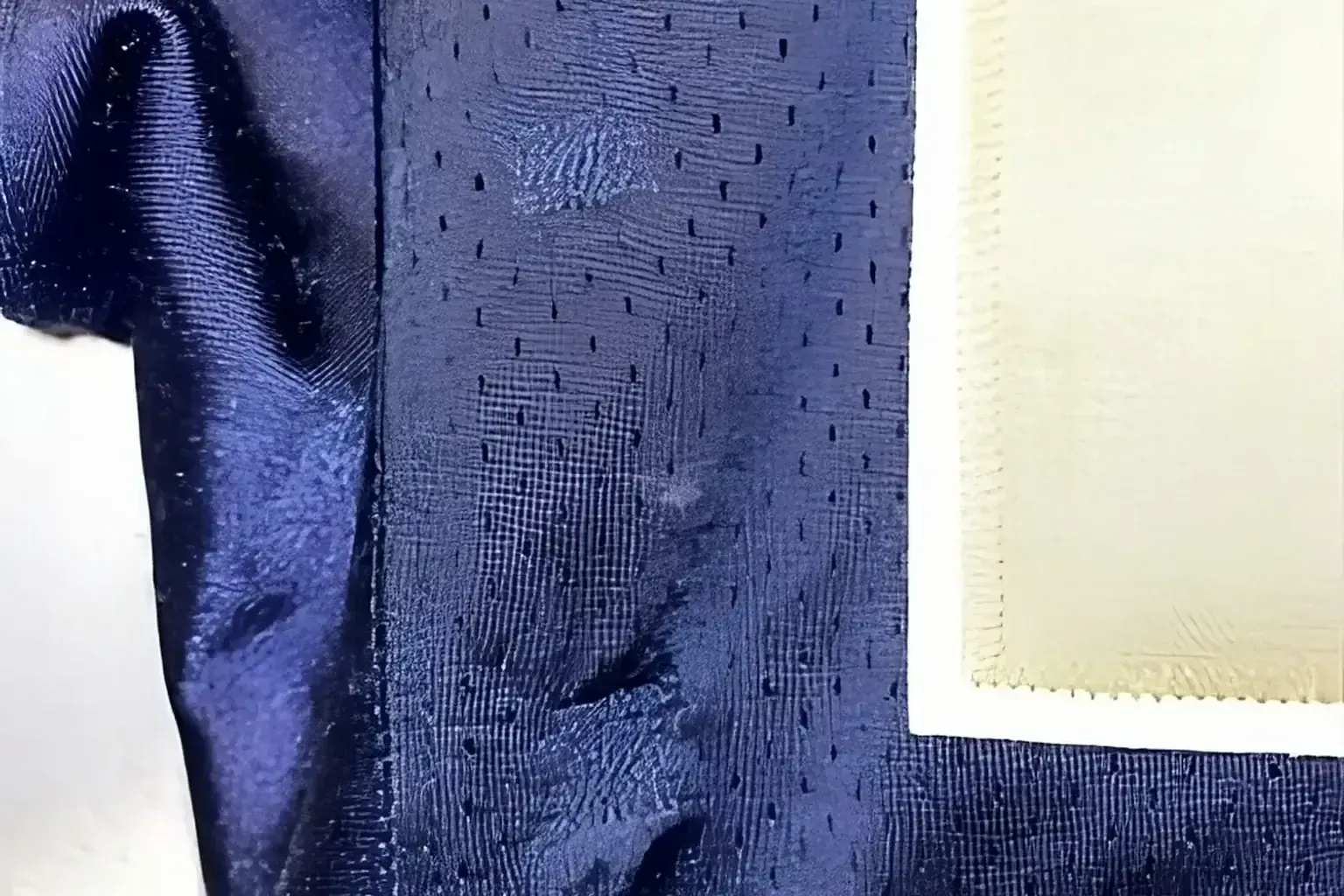
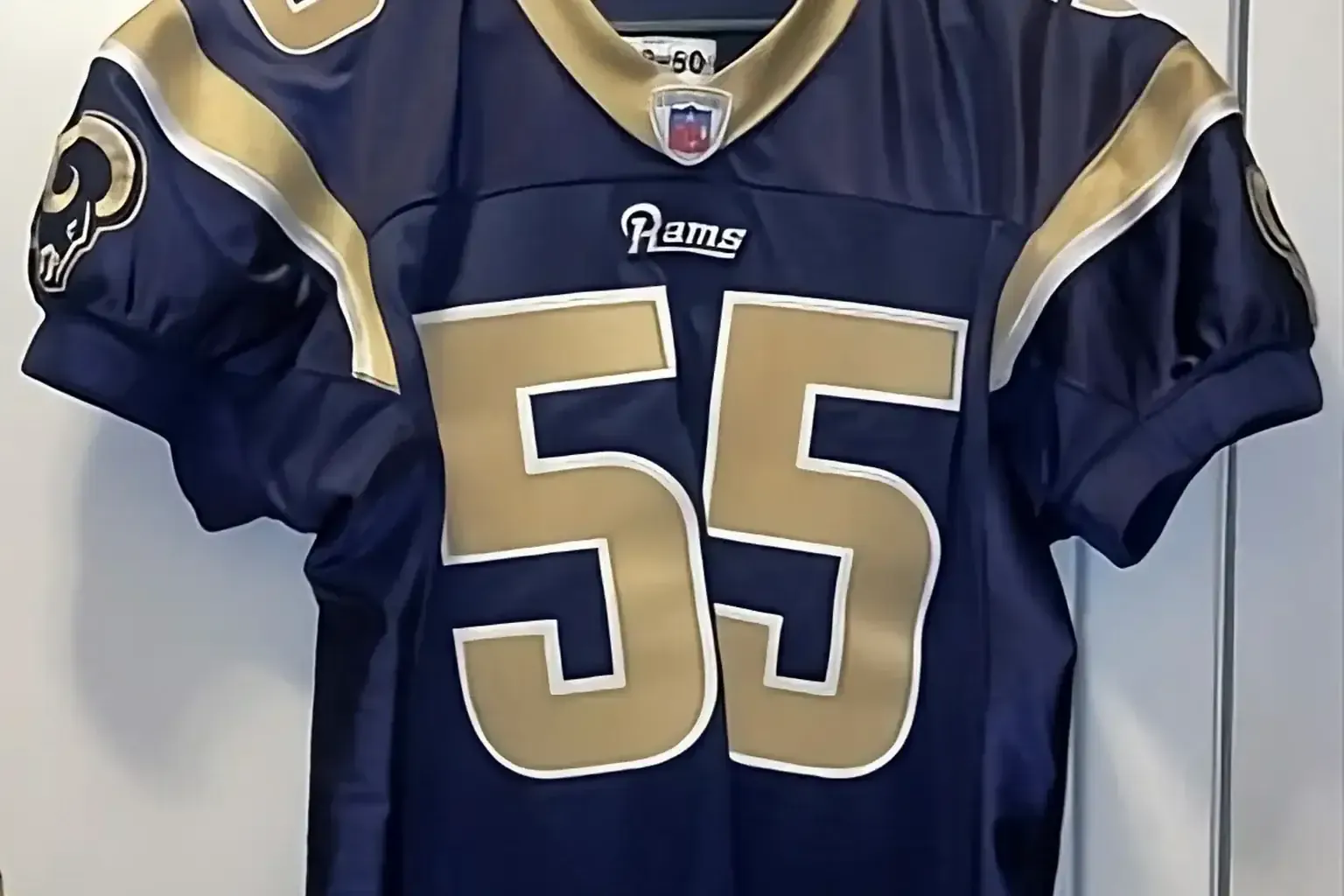

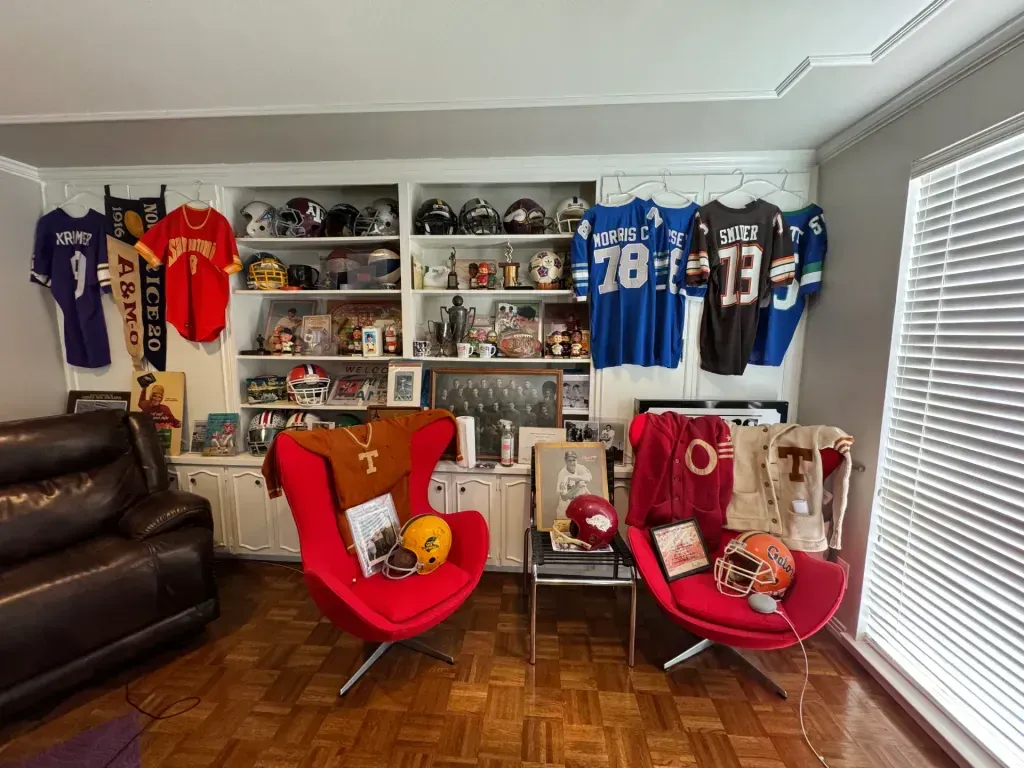
A game-used helmet is worth substantially more than a display or practice helmet. The difference is provenance. Authentic helmet authentication starts with team documentation, player history, and verifiable wear patterns. We check loop straps, tagging, paint overspray patterns, and manufacturer stampings as provenance indicators. Mismatched hardware, repainted shells without evidence of actual game use, or suspiciously pristine vintage models are red flags for reproductions or incorrectly attributed pieces.
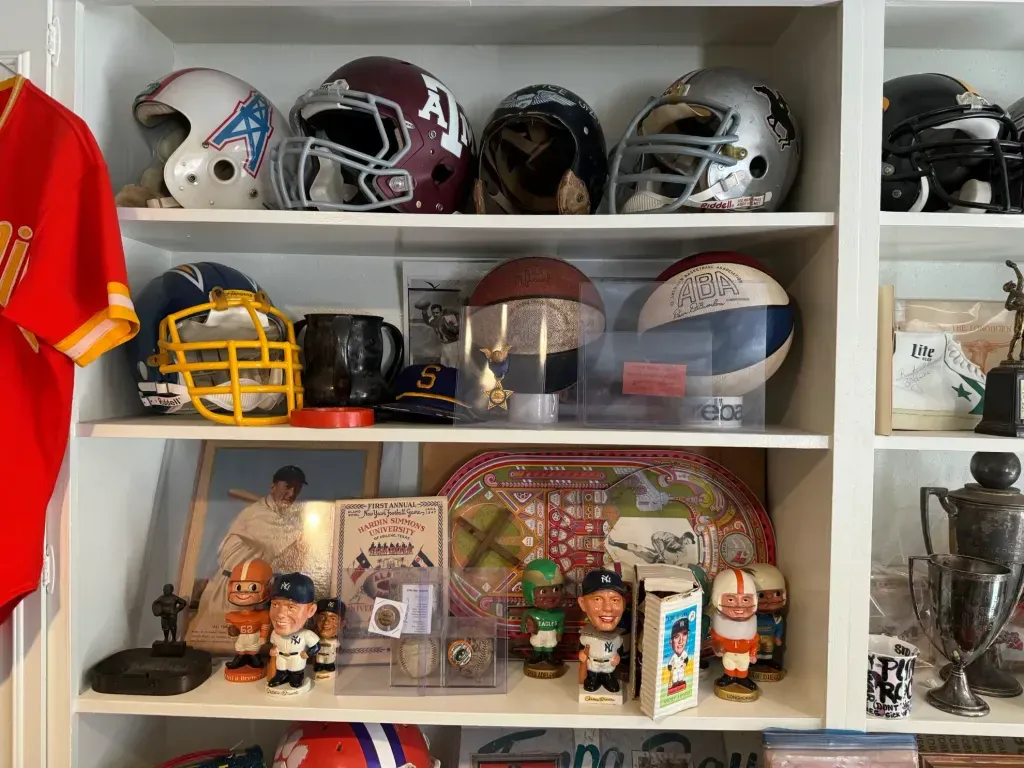
The shift from leather suspension helmets to plastic shells happened gradually between the 1950s and 1970s. A Kra-Lite suspension system, common in the mid-1950s through early 1960s, uses metal rings and leather straps inside the shell. The VSR-1 model from Riddell represents an early plastic-shell pivot point in the late 1960s. The PAC3 helmet emerged in the mid-1970s and is a reliable date marker.
Pre-1970 football helmet identification relies on specific details. Leather suspension helmets have hand-stitched seams and often smell of aged leather. The shell material is typically a fiberglass composite. Kra-Lite construction shows a specific internal ring-and-strap pattern that is easy to document and photograph. Modern reproductions rarely get those details right because the materials and labor costs don't justify it.
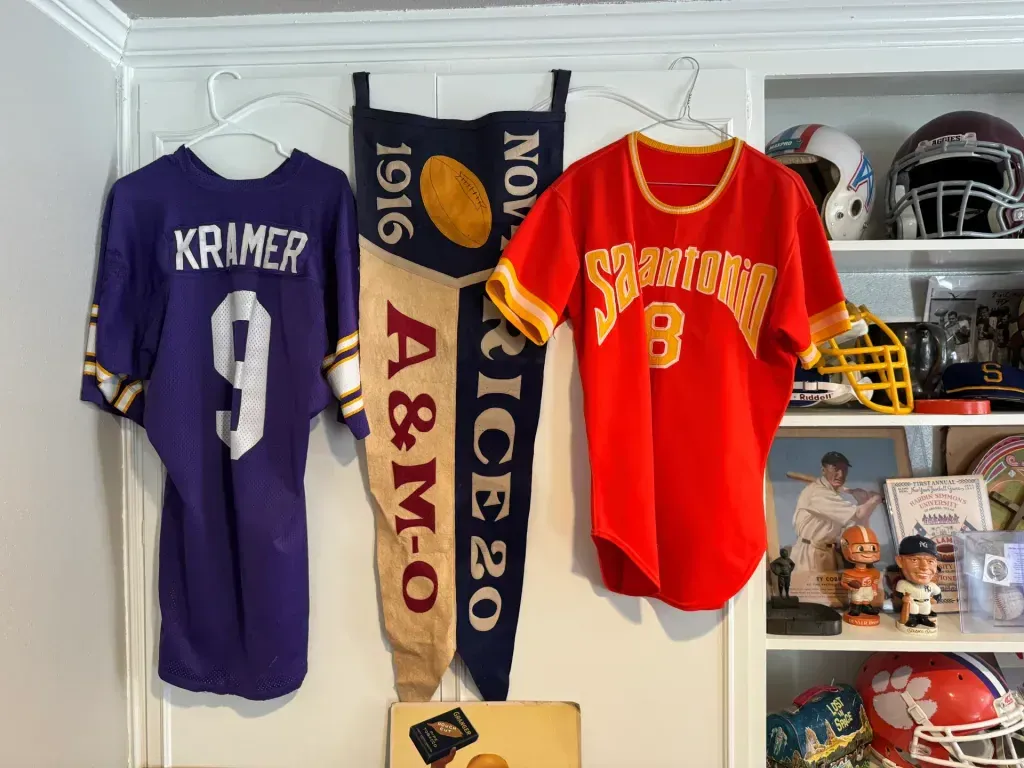
Helmet shell materials changed dramatically over time. Leather and fiberglass gave way to polycarbonate and ABS plastic by the 1980s. Polycarbonate vs ABS shells shows a real difference: polycarbonate is lighter and more impact-resistant, but ABS plastic shells are more prone to cracking in cold storage. A vintage helmet in polycarbonate commands a slight premium over an ABS equivalent because the material ages better.
Face mask materials and styles are era markers. Steel face masks—single-bar and double-bar designs—dominated vintage football helmet construction through the 1960s. Titanium face masks appeared later and signal a post-1980s design. The riveting pattern and hardware attachment of a face mask can help identify a helmet's manufacture period.
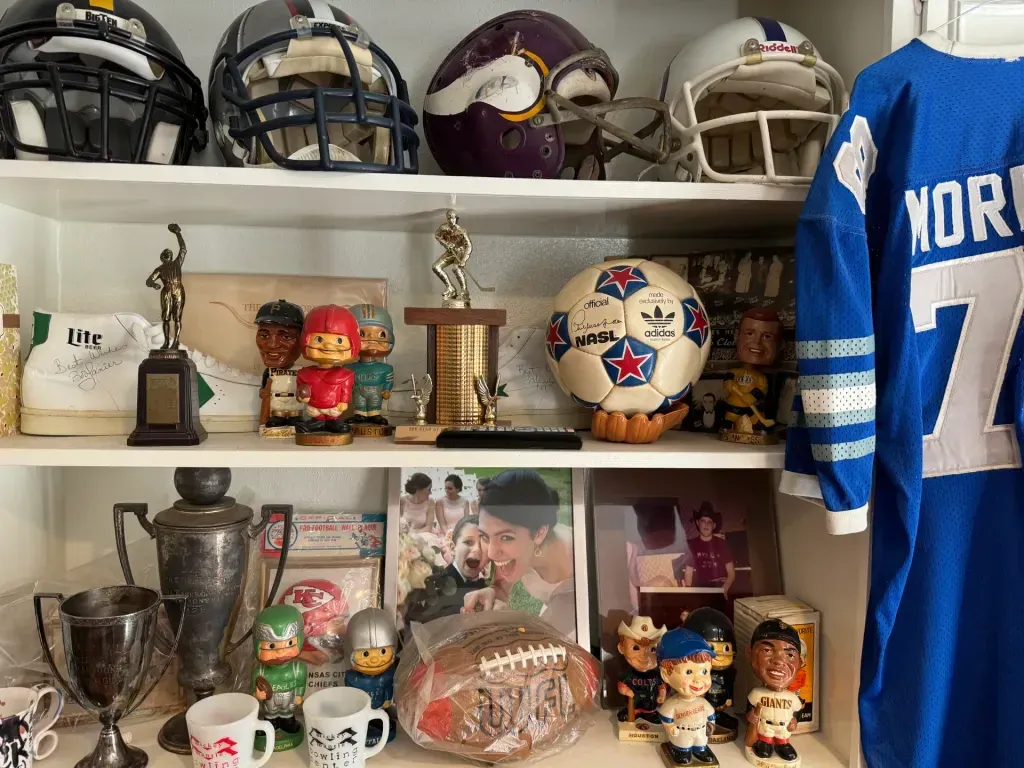
A properly reconditioned helmet sells faster and at higher price than a rough example. If you own a leather suspension helmet, start with a saddle soap and water rinse to remove surface dirt. Condition the leather with mink oil or a specialty leather conditioner to prevent cracking and restore suppleness. Hand-stitching split seams in the suspension system can be done at home with patience and waxed thread.
Vintage football helmet collecting has grown into a serious hobby across San Antonio and beyond. Collectors specialize by era, team, or material—some hunt leather suspension models exclusively, others focus on 1970s plastics or modern helmets. Helmet trading and swapping happens regularly through dedicated forums and local collector meetups where enthusiasts compare inventory and negotiate exchanges.
Collectors often build project helmets by sourcing low-condition shells and restoring them to personal specifications. These project builders represent a different market segment with different price expectations. Some collectors display their helmets in collectible helmet display cases with climate control and UV-blocking glass to preserve condition long-term. A quality display case costs $60 to $300 depending on size and material.
The secondary market for vintage helmets remains active. Football helmet resale platforms like eBay, specialty auction houses, and memorabilia marketplaces attract bidders willing to pay premium prices for authenticated pieces. Helmet trading communities on Reddit and niche sports forums allow direct collector-to-collector sales without platform fees. We list your helmet across multiple channels to maximize exposure and competitive bidding.
A proper helmet sizing guide matters for display and for establishing authenticity. Vintage helmets use different sizing standards than modern helmets. Pre-1970 models often carry size stampings inside the shell—"7¼" or "medium"—that reflect the manufacturing era, not modern fit. These stampings help date the helmet and verify it has not been heavily modified.
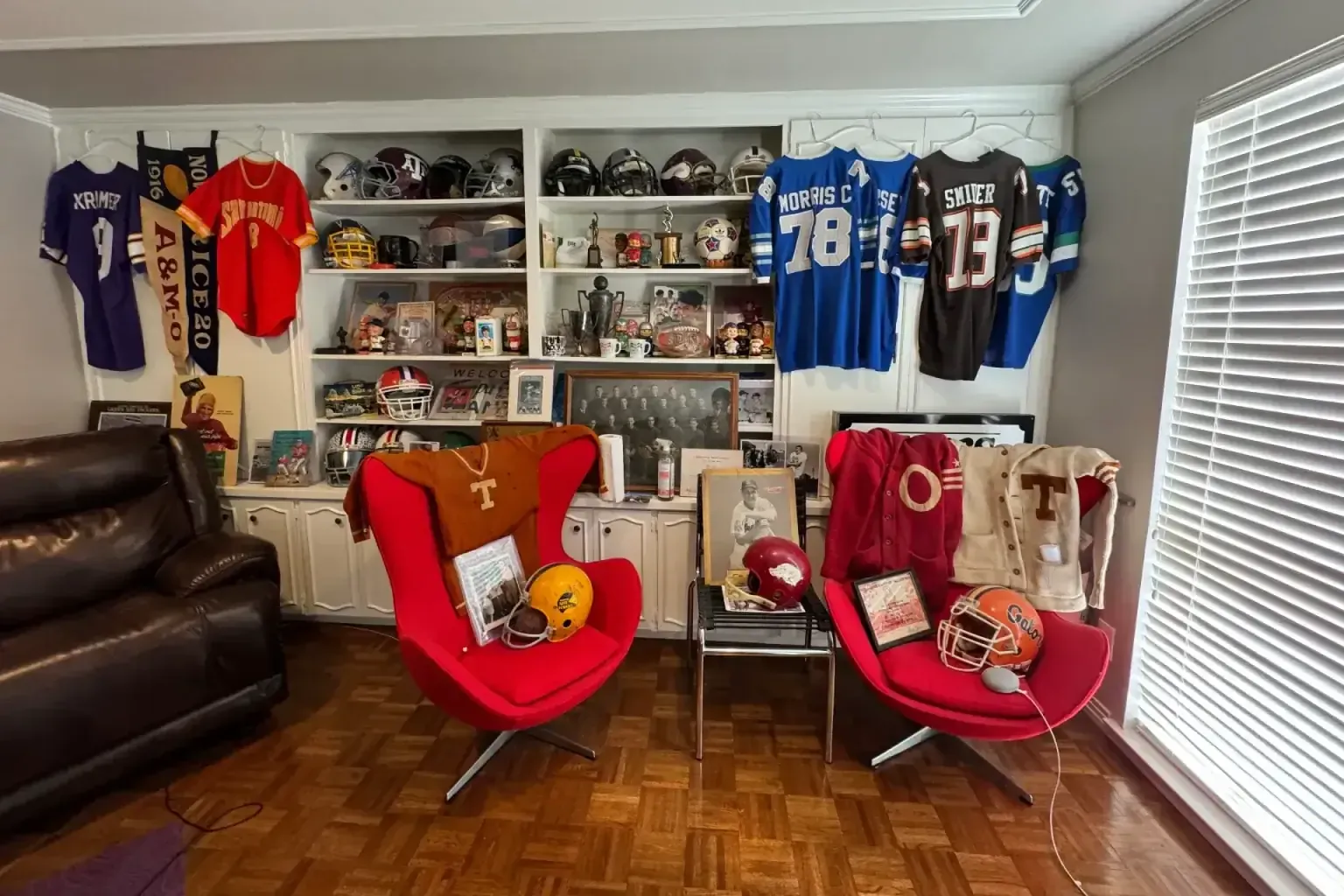
Modern football helmets carry expiration dates stamped inside the shell or printed on a label—typically five to ten years from manufacture for safety-certified gear. Vintage collectibles don't have expiration dates because they predate the certification system, but if you're selling a helmet from the 1980s or 1990s that still has its original sticker, that date matters to buyers who plan to display or research the piece. Collectors in San Antonio and beyond use those dates to verify authenticity and narrow down production runs.
Selling a vintage football helmet is not like listing shoes. Collectors want proof of origin, material condition, and era-correct details.
A game-used helmet is worth substantially more than a display or practice helmet. The difference is provenance.
The shift from leather suspension helmets to plastic shells happened gradually between the 1950s and 1970s.
Helmet shell materials changed dramatically over time. Leather and fiberglass gave way to polycarbonate and ABS plastic by the 1980s.
Face mask materials and styles are era markers. Steel face masks—single-bar and double-bar designs—dominated vintage football helmet construction through the 1960s.
A properly reconditioned helmet sells faster and at higher price than a rough example. If you own a leather suspension helmet, start with a saddle soap and water rinse to remove surface…
Why homeowners call us
The person who looks at what you have is the person who makes the offer and pays for it. No call centre, no consignment queue, no waiting on a decision from somewhere else.
Offers are based on recent comparable sales and the condition of the item in front of us, and we will show you both. If something is worth more elsewhere, we will say so.
Send photographs, get a quote, then post the item or arrange to meet. Nothing is committed until you accept the number.
Sellers around San Antonio can be seen in person, and anyone further out can post items in with tracking and insurance.
FAQ
eBay reaches the most bidders, but specialty auction houses and memorabilia sites attract serious collectors paying top dollar for authenticated pieces. Helmet trading communities and forums work for regional sales. Work with a verified seller like Jon's Stats to avoid authentication disputes and reach buyers who value provenance documentation and condition guarantees.
Game-used pro helmets with verified player provenance start at $500 and climb. Vintage college or pro practice helmets in good condition run $150 to $500. Display-condition pre-1970 leather suspension helmets sell for $200 to $800. Modern used helmets depreciate slowly and rarely exceed $300. Check sold listings on eBay and auction sites for the same model and team to see actual market prices, not asking prices.
Look for player name, number, and team stampings inside the shell. Check riveting patterns and decal alignment against photos from the player's actual game footage. Examine the facemask material and attachment hardware for the correct era. Ask for team equipment manager documentation or roster verification. Mismatched parts, inconsistent wear patterns, or factory stampings that don't match the shell's manufacture date are red flags for fakes.
Rinse the exterior with cool water and saddle soap to remove dirt. Condition the leather straps and suspension system with mink oil or leather conditioner every six months to prevent cracking. Use waxed thread to hand-stitch any split seams in the suspension. Avoid harsh chemicals or high heat, which accelerate deterioration. Leave shell repainting and decal work to professionals unless you have restoration experience.
Leather suspension helmets use hand-stitched straps and rings inside a fiberglass or early plastic shell to absorb impact. Modern helmets use expanded polyurethane or EPS foam padding, titanium face masks, and polycarbonate or ABS plastic shells designed for multi-impact safety. Leather helmets are collectible because they represent a specific era; modern helmets are functional and depreciate predictably. Leather is harder to preserve but easier to restore with basic conditioning.
Yes. There is no federal ban on selling vintage or outdated football helmets. However, do not market an old helmet as safety-rated or claim it meets modern standards unless it actually does. Disclose its age and condition honestly. Game-used pro helmets are sold routinely as memorabilia. Collectors understand they are buying for display or historical value, not for play. Clearly state condition and era in every listing to avoid buyer disputes.
Call 726-237-8297 or send photographs and we will come back with a number.