Sell Your Signed Baseball to Jons Stats
Most people who own signed baseballs face the same problem: they do not know what the ball is worth, whether the autograph is real, or which channel will move it fastest.
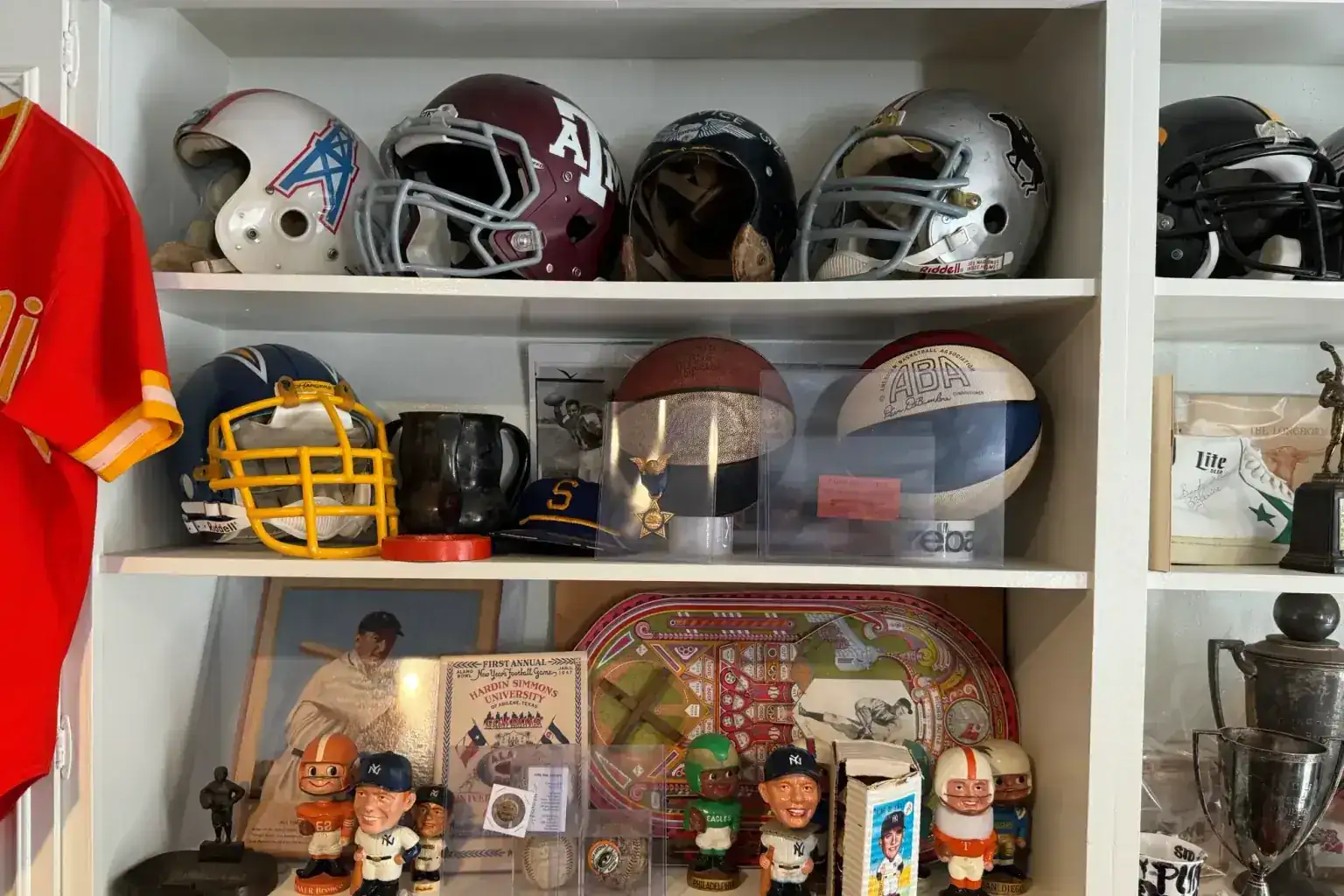
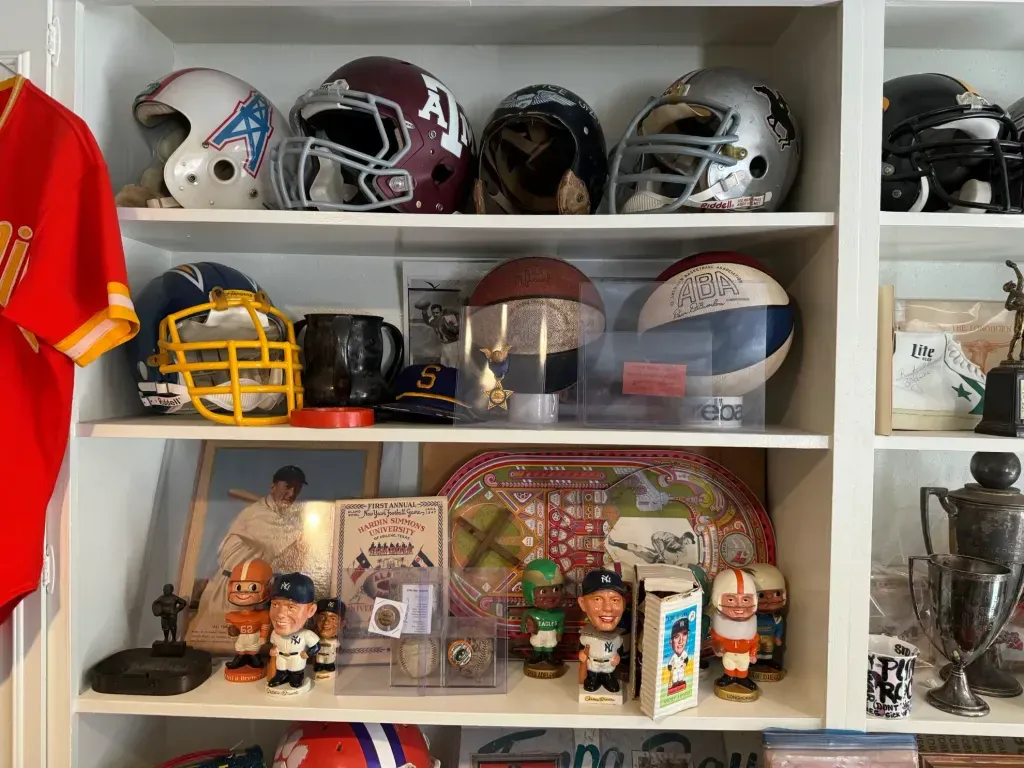
Jons Stats Jon's Stats helps collectors and estate sellers sell signed baseballs and autographed memorabilia across San Antonio, TX. We handle appraisal, paperwork, and payment so you walk out with cash and clarity. Whether you have a single Hall of Fame signature, a team-signed World Series ball, or a batch lot of vintage baseball autographs, we buy directly and settle the same day—no auction house delays, no pawn shop markdowns.
Most people who own signed baseballs face the same problem: they do not know what the ball is worth, whether the autograph is real, or which channel will move it fastest. Auction sites take 12-25% commission and tie up your money for weeks. Pawn shops offer lowball quotes and no expertise in sports memorabilia appraisal. Selling on eBay requires you to photograph, write listings, handle bidder questions, and wait for payment—and you still pay insertion and final value fees.
Signed baseball valuation is not a single number; it is a band that moves based on five factors: player tier, signature placement, ball condition, authentication status, and current demand in the sports collectibles market.
Player tier is the loudest signal. A single-signed baseball by a Hall of Famer in mint condition commands a different order of magnitude than a common retired utility infielder. But "Hall of Fame" is not binary. A Ted Williams or Mickey Mantle sweet-spot signature can sell for hundreds of dollars in good condition, while an obscure 1970s outfielder might move for $15-40 even if the autograph is genuine. Demand fluctuates too: a player's death, an anniversary of a historic game, or a World Series rerun can spike interest in their memorabilia overnight. This is why sports collectibles market trends matter—a signature that was worth $200 last year may command $350 today based on recent events or anniversaries.
Condition grading matters directly to price. A ball rated Mint (9-10) has no visible wear: bright white leather, vivid signature, no spots, no scuffing. Near Mint (8) shows very light aging. Excellent (7) has minor wear but remains crisp. Good (6) shows visible age, fading, and light scuffing but is still clearly displayable. Fair (5) and below means the piece is collectible only for the signature itself, not its appearance. A Hall of Fame baseball signature in near-mint condition can command multiples of the same player's signature in fair condition. The difference is often $50 or $500, depending on the player.
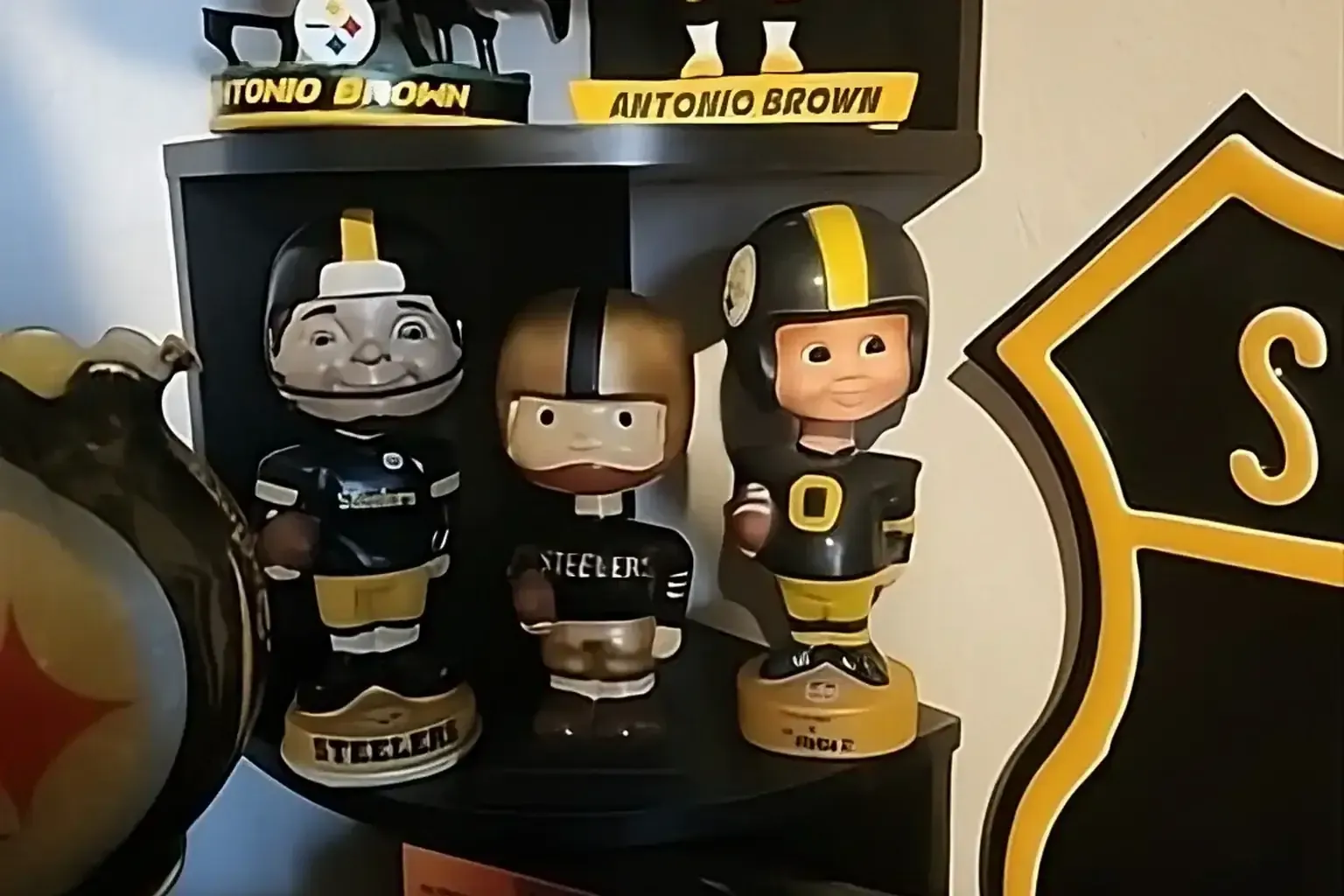
Before you sell, get clear on whether your ball is authenticated. A certified autograph value is dramatically different from an ungraded piece. A certificate of authenticity or letter of authenticity from a recognized third party—PSA/DNA, JSA Authentication, Beckett Authentication, or ACE Authentication—shifts the entire economics of the sale. Authenticated balls sell faster, draw premium prices, and attract serious collectors instead of bargain hunters willing to gamble on a raw piece.
PSA/DNA and JSA are the industry standards for vintage and modern autographs. Beckett Authentication also grades baseballs and cards. Each charges a fee, has a turnaround time of 10-30 days, and delivers a tiered result: authentic, likely authentic, inconclusive, likely not authentic, or not authentic. An encapsulated ball—sealed in acrylic with the grading label—sells faster and for more money than a raw ball with a loose letter of authenticity. The encapsulation protects the ball and broadcasts the authentication to any buyer.
Not every signed baseball with a great signature is real. Autograph forgery is common enough that you should know the counterfeit signature red flags, especially if you inherited or bought a collection without paperwork.
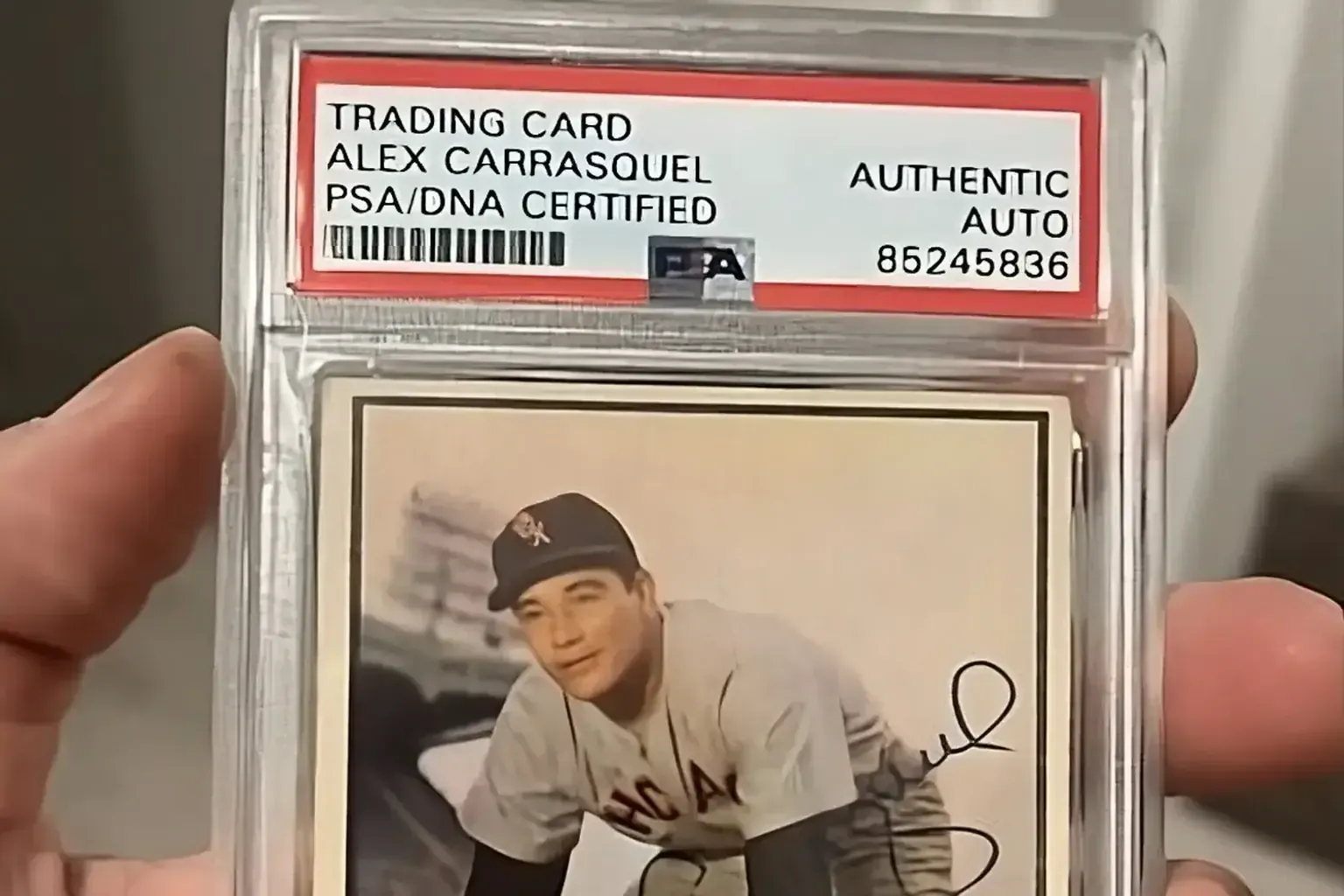
You have four main channels: direct sale to a private buyer like Jons Stats, auction houses, online marketplaces, and specialty platforms.
Heritage Auctions and Grey Flannel Auctions are the premium route for valuable pieces. They charge 15-25% commission, require 4-8 weeks turnaround, and attract serious collectors with deep pockets. If your ball is worth $500+, the larger audience and higher final price often justify the wait and the fee. If it is worth $100-300, auction houses may not accept it or may bundle it in a batch lot that settles for less.
eBay auction is the broadest audience but requires you to handle photography, write listings, manage bidder questions, and absorb final value fees of 12.9% plus $0.30 per sale. You control the reserve price but not the timeline—auctions run 7-10 days, payment takes a few days more, and shipping can take another week. Platform pricing strategy comparison matters here: eBay works best for balls in the $50-300 range where you can build viewer interest. A signed baseball lot selling—bundling multiple balls and selling them as a set—often moves faster than auctioning singles, especially for team-signed balls or mixed batches. A set of five vintage signed baseballs may sell for less than the sum of the five individual pieces, but it sells within days instead of weeks.
How you store and handle a signed baseball directly impacts its resale value. Every day of poor storage erodes the condition slightly. Sunlight is the enemy. UV rays fade ink and yellow leather. Store signed baseballs in a UV-filtering acrylic display cube or a closed cabinet away from direct window light. Humidity matters too. Keep the storage environment stable between 45-55% relative humidity and 68-72°F. Baseballs stored in damp basements develop foxing on the leather and can grow mold. Attics with temperature swings will cause the leather to crack and contract. A climate-controlled closet or interior shelf is ideal.
Handling is another vector. Hold a signed baseball by the leather panel, not by the signature area. Oils from your fingertips can blur the ink or cause it to transfer onto your skin—you literally erase the autograph. If you have multiple balls to inspect, wear cotton gloves during handling. For photographing baseballs for sale, position the signature under even, natural light from the side rather than head-on. Side lighting reveals any depth or fading in the ink that head-on photography would miss. Use a plain background and avoid shadows across the signature. A clear photo of the autograph crisp and dark is a strong selling signal.
For shipping to an appraisal or to a buyer, wrap the ball loosely in acid-free tissue, then bubble wrap, then a rigid cardboard box. Do not vacuum-seal or compress the ball. The goal is immobility without pressure. Use a carrier with signature tracking and insurance—USPS Priority Mail insured or UPS. Signed baseball shipping and packaging is delicate; it is worth the extra insurance cost for pieces over $100. Autograph fading and preservation extend beyond storage: the care you take from ownership through sale is what maintains value.
A game-used baseball actually used in play during an official game carries a significant premium over a locker-room or practice ball, but it has to be documented. Game-used baseball pricing depends entirely on verifiable provenance: a ticket stub from that specific game, photo-matching to game footage, or league certification. Without chain of custody, a game-used claim is unverifiable and loses credibility. Club house or batting-practice balls are less valuable but do not require the same documentation level.
A team-signed baseball—one with the full roster or most of a roster from a single season or a World Series year—values differently than a single-signed ball. Team-signed baseball appraisal focuses on the total number of legible signatures and the recognizability of each name. A 1972 Oakland A's World Series ball signed by 20+ players is worth hundreds; a single A's player signature from that year might be $40-80. But if only half the signatures are legible or some player names are completely unidentifiable, the value drops significantly. Condition assessment for multi-signature balls includes signature density and readability across the entire piece.
Personalized baseball valuation—a ball signed with a message or dedication to a specific person—trades at a discount compared to a plain signed ball. Unless the recipient is notable or the message has historical significance, personalization narrows the buyer pool. A ball signed "To Mike, best wishes" will sell for less than the same player's signature on a blank Spalding.
Starting a sale at Jons Stats is straightforward. If you are local, call or email with a photo and a brief description: player name, signature placement, approximate age of the ball, and current condition as you see it. We will give you a valuation range over the phone, often within an hour. If the range interests you, schedule an in-person inspection. Bring the original ball unpackaged from bubble wrap only when we are ready to examine it to avoid signature transfer damage, any certificate of authenticity or letter of authenticity you own, any purchase receipt or provenance documentation, and a list of any other balls you might sell.
Signed baseballs hold value differently than other collectibles. Unlike a house or stock, a baseball doesn't throw off income. But the market for authenticated signatures—especially from Hall of Fame players, World Series participants, and deceased athletes—has stayed stable through economic downturns. A signed ball from a player who passed away rarely loses ground because supply stops and demand stays constant.
Most people who own signed baseballs face the same problem: they do not know what the ball is worth, whether the autograph is real, or which channel will move it fastest.
Signed baseball valuation is not a single number; it is a band that moves based on five factors: player tier, signature placement, ball condition, authentication status, and current demand…
Before you sell, get clear on whether your ball is authenticated. A certified autograph value is dramatically different from an ungraded piece.
Not every signed baseball with a great signature is real. Autograph forgery is common enough that you should know the counterfeit signature red flags, especially if you inherited or bought…
You have four main channels: direct sale to a private buyer like Jons Stats, auction houses, online marketplaces, and specialty platforms.
How you store and handle a signed baseball directly impacts its resale value. Every day of poor storage erodes the condition slightly. Sunlight is the enemy.
Why homeowners call us
The person who looks at what you have is the person who makes the offer and pays for it. No call centre, no consignment queue, no waiting on a decision from somewhere else.
Offers are based on recent comparable sales and the condition of the item in front of us, and we will show you both. If something is worth more elsewhere, we will say so.
Send photographs, get a quote, then post the item or arrange to meet. Nothing is committed until you accept the number.
Sellers around San Antonio can be seen in person, and anyone further out can post items in with tracking and insurance.
FAQ
Value depends on player tier, signature placement, condition, and authentication status. A Hall of Famer's sweet-spot signature in near-mint condition can range from $150–$1000+. A common player might be $10–$75. Authenticated baseballs sell for 20–40% more than raw balls. A sports memorabilia appraisal requires seeing the actual piece and checking condition against market comparables. Photos help; in-person inspection is definitive.
Not strictly, but authentication dramatically improves saleability and price. A certificate of authenticity from PSA/DNA, JSA Authentication, or Beckett grading typically costs $50–$150 and takes 2–4 weeks. A third-party-authenticated ball sells 20–40% faster and commands a premium. For high-value pieces ($300+), authentication pays for itself. For lower-value balls, a direct buyer like Jons Stats may accept the piece ungraded if provenance or other evidence supports authenticity.
PSA/DNA focuses on autographs and documents; JSA Authentication specializes in sports memorabilia including signed baseballs; Beckett Authentication grades trading cards and also authenticates baseballs. All three are industry-recognized. PSA/DNA has a slight edge for vintage pieces; JSA is known for detailed provenance work. Beckett grading includes a condition grade on the label. All three encapsulate authenticated pieces, which protects the item and broadcasts the certification to buyers.
Compare the signature against known authentic examples from Heritage Auctions, eBay sold listings, or museum collections. Check pen pressure for uniformity—real signatures vary slightly. Verify the ball material and pen type match the era. Examine exemplar stroke patterns: forgers often replicate shape but miss the exact pen-stroke sequence. A professional autograph verification through PSA/DNA or JSA removes doubt and adds market credibility.
Even baseballs in fair condition (aged leather, faded signature, light scuffing) have value if the signature is legible and the player is recognizable. Excellent condition (bright leather, crisp ink, minimal wear) commands 2–3× the price of fair condition. Mint condition is rare and premium. Yellowing, foxing, seam wear, and severe fading reduce value, but a valuable player signature retains buyer interest even in poor condition—it just sells for less.
Jons Stats buys signed baseballs directly with same-day cash offers and no commission. Auction houses like Heritage Auctions and Grey Flannel Auctions accept consignments (15–25% commission, 4–8 weeks). eBay auction reaches a broad audience but requires 3+ weeks and seller fees. Specialty sites like Worthpoint.com and Liveauctioneers connect to targeted buyers. Pawn shops offer quick cash but typically at steep discounts. For most sellers, a direct local buyer or a specialty auction house balances speed, price, and convenience.
Call 726-237-8297 or send photographs and we will come back with a number.