
Sell Game-Used Sports Equipment And Memorabilia In San Antonio
Most sellers think they need to list items themselves on an online sports gear marketplace or haul boxes to an auction house across the state. We handle that work for you.
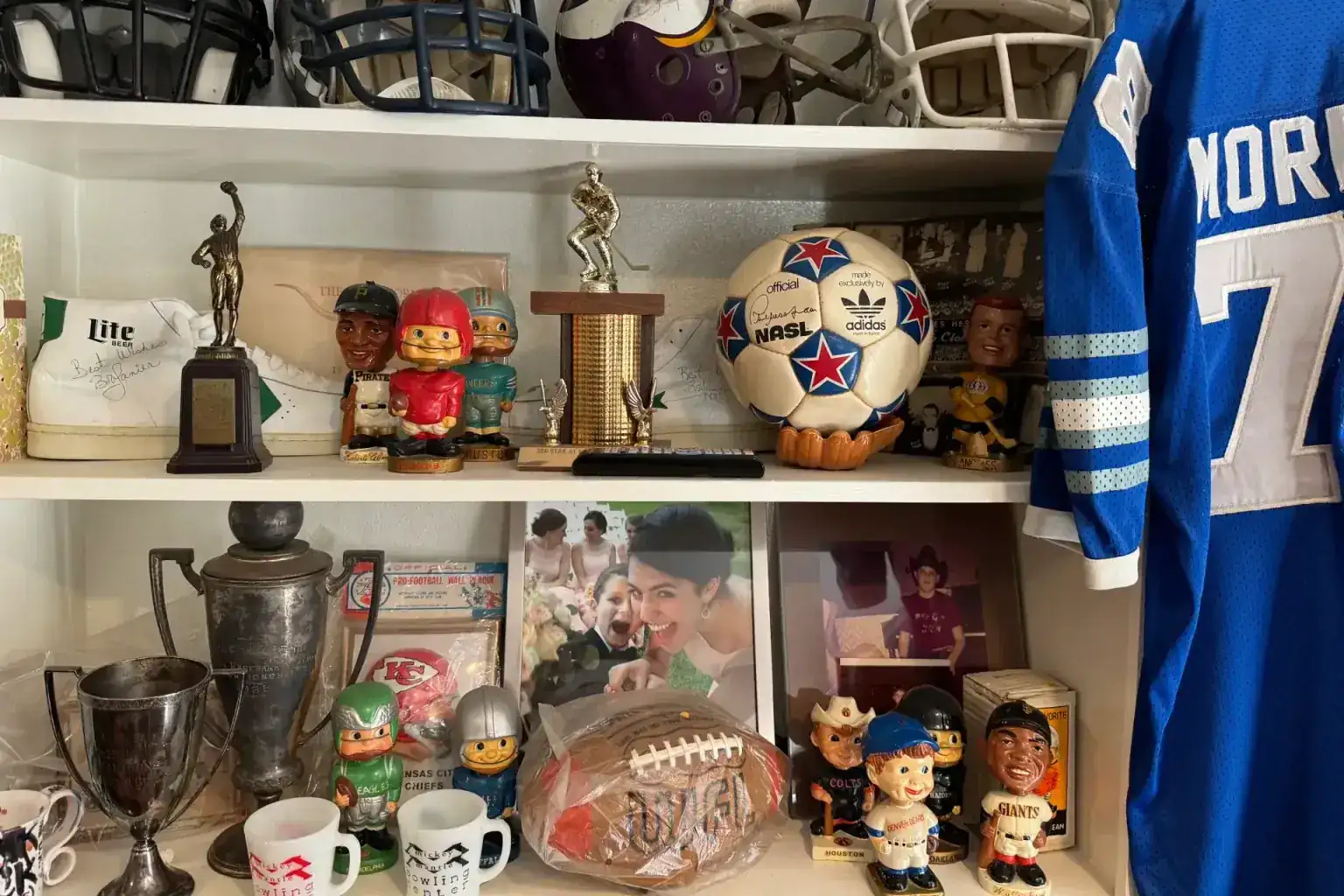
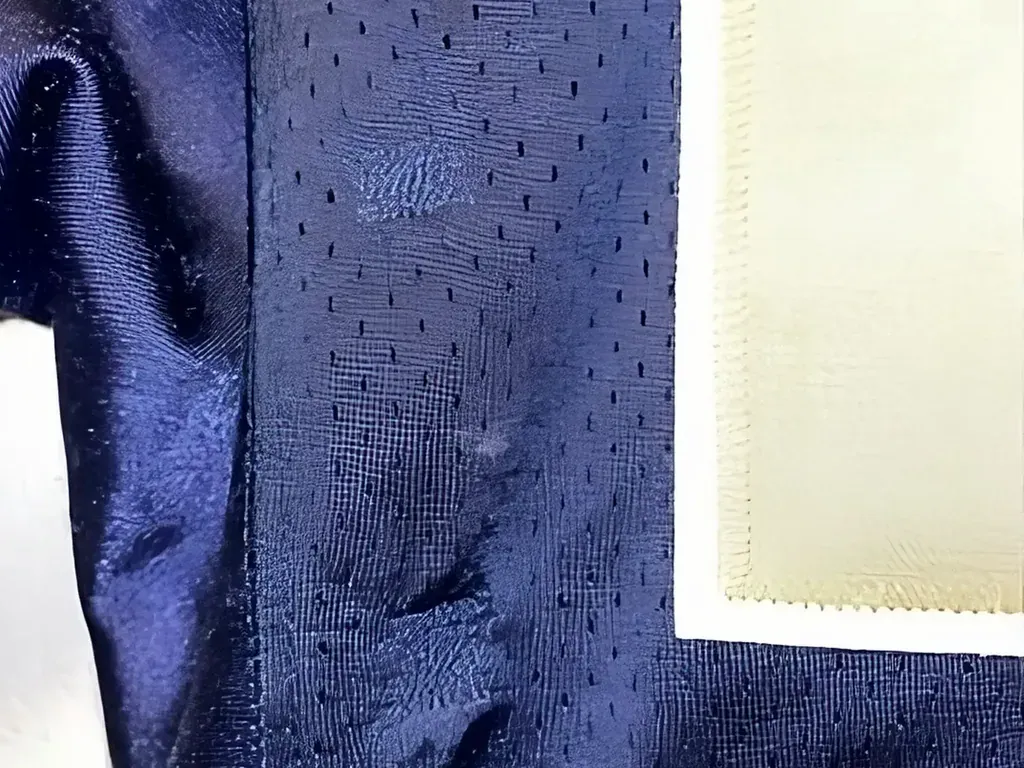
Jons Stats Jon's Stats buys and sells game-used sports equipment, autographed memorabilia, and vintage collectibles across San Antonio, TX. Whether you have a graded card, a game-worn jersey from a local athlete, or an entire estate collection of trading cards and signed items, we handle the appraisal and the sale on your behalf. The process starts with a free item review—bring items in or ship them to us, and we determine whether an outright purchase or consignment arrangement makes sense for your specific pieces.
Most sellers think they need to list items themselves on an online sports gear marketplace or haul boxes to an auction house across the state. We handle that work for you. You describe what you have, we schedule a time to inspect the items, and we either make a cash offer on the spot or propose a consignment arrangement.
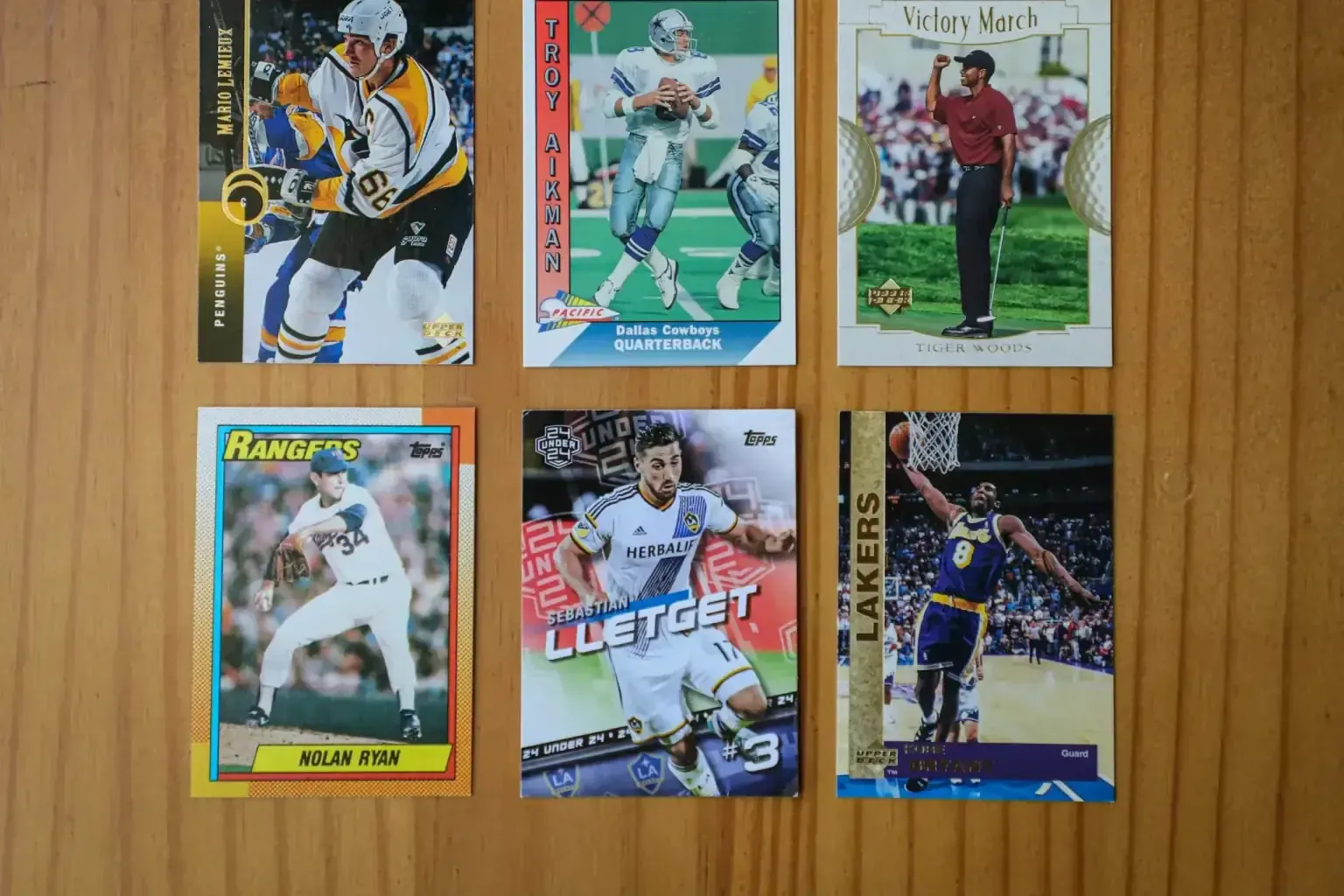
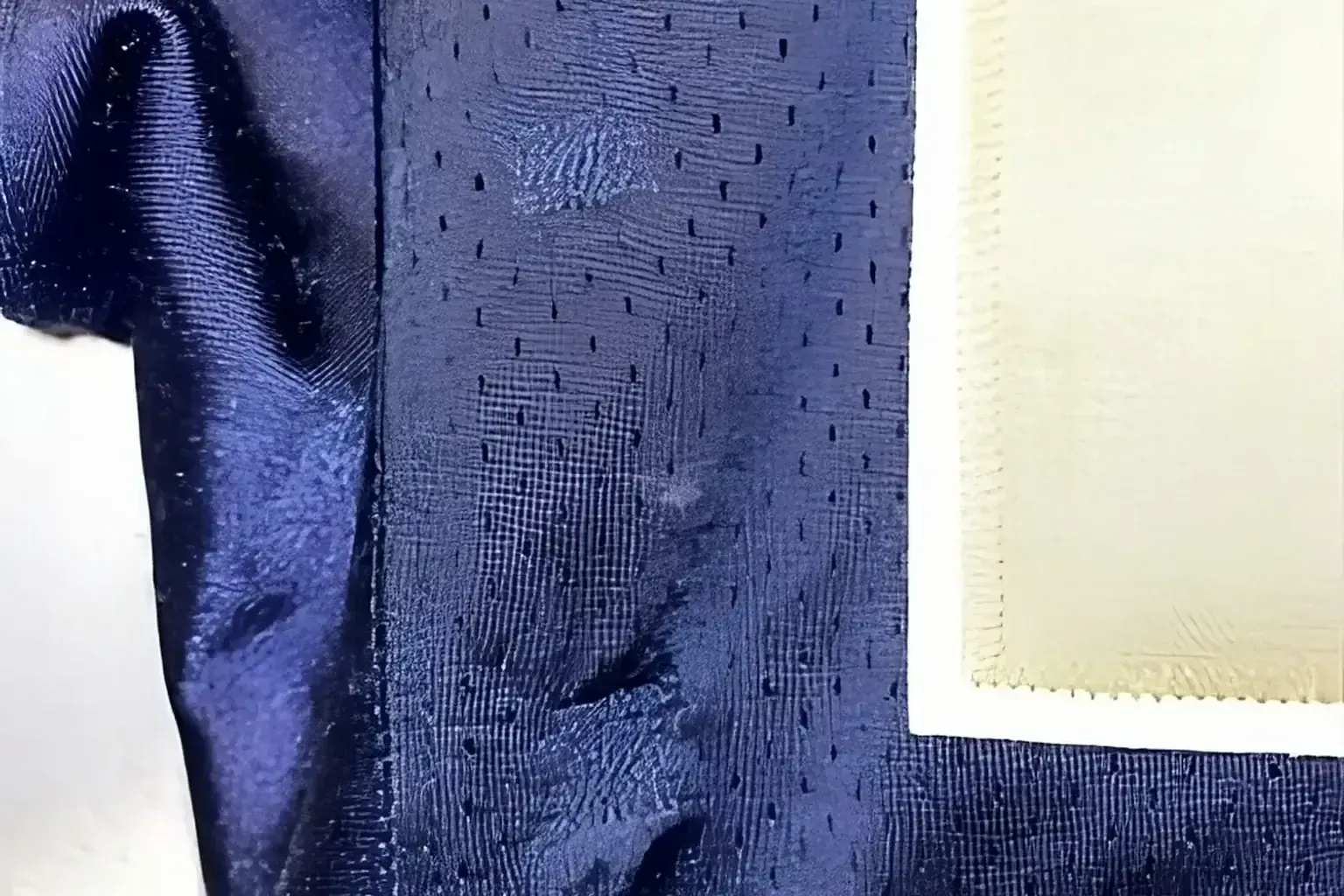
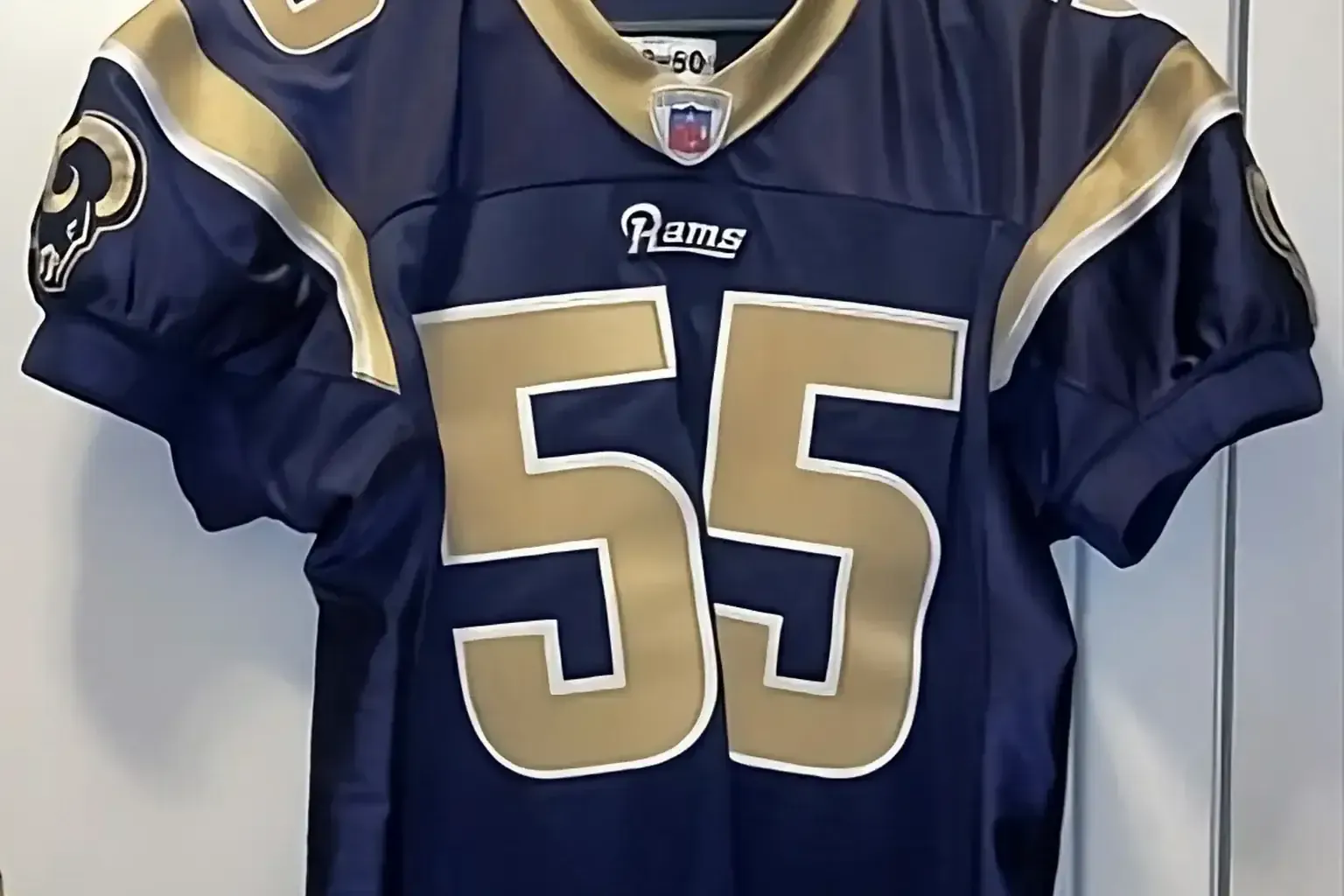
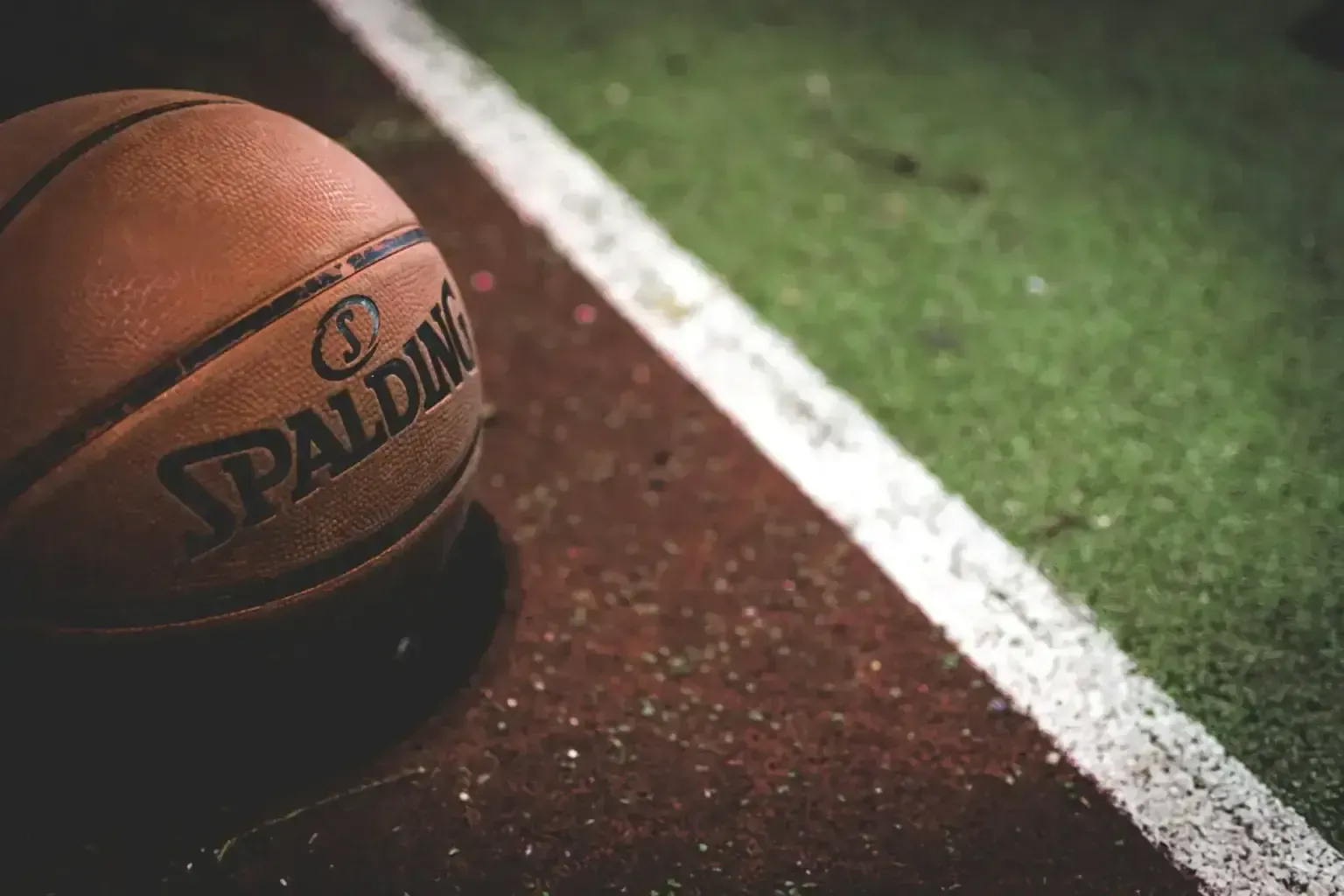
An appraisal certificate documents the current market value of your items for insurance, estate planning, or tax purposes. A cash offer is what a buyer will actually pay you today—typically lower than an appraised value because the buyer factors in storage, listing fees, and sell-through risk.
Comparable sales research is the backbone of any credible appraisal. We cross-reference recent auction results, completed eBay sales, and dealer asking prices from the last 6 to 12 months. An appraisal certificate includes the methodology, the comparable sales used, and a clear valuation range. A vintage baseball card in a PSA 9 grade sells for significantly more than the same card in PSA 8 condition because the jump reflects a move from excellent to mint.
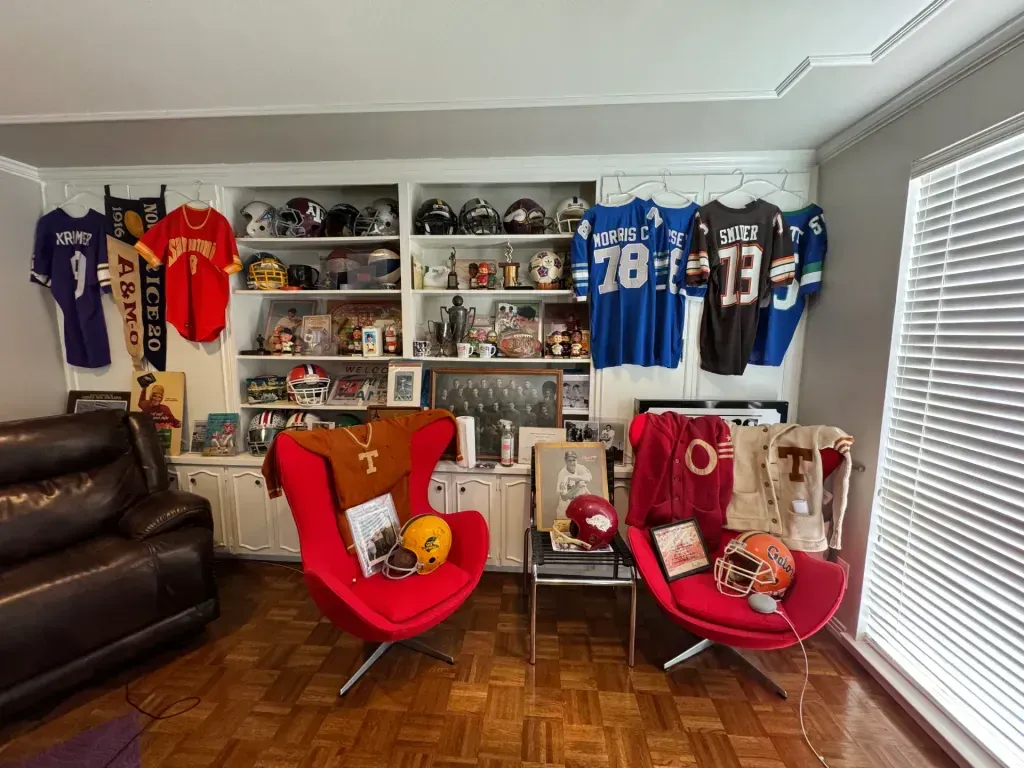
Condition grade directly affects price. A mint unworn pro stock equipment piece commands a premium over the same jersey with visible game wear. An autographed ball without a certificate of authenticity sees reduced offers because the buyer's risk is higher. The same ball with documented provenance commands a higher bid. Signed items are priced by player fame, rarity of the signature, and condition of the object itself.
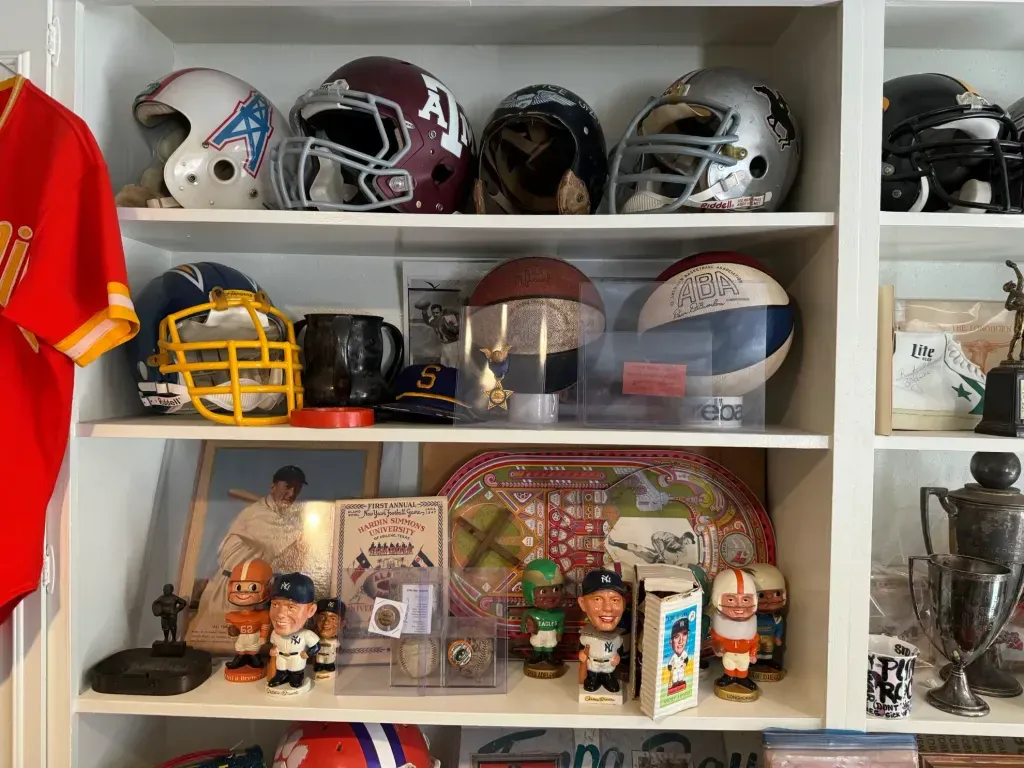
Consignment is the path for high-value pieces. A championship ring or a Hall of Famer signed baseball can sit on our platform for weeks or months while we market it to serious collectors nationwide. That time investment usually nets you a higher final price than a same-day cash offer would. Consignment works best when the item's value exceeds $500 and you are willing to wait for the right buyer.
Out-of-area sellers ship items to us in secure boxes. Jerseys and equipment are packed in acid-free tissue and rigid boxes to prevent creasing or damage in transit. Cards are placed in individual sleeves and rigid holders—never loose in a bubble mailer where they can shift and crease. Signed items are wrapped carefully to protect signatures and surfaces.
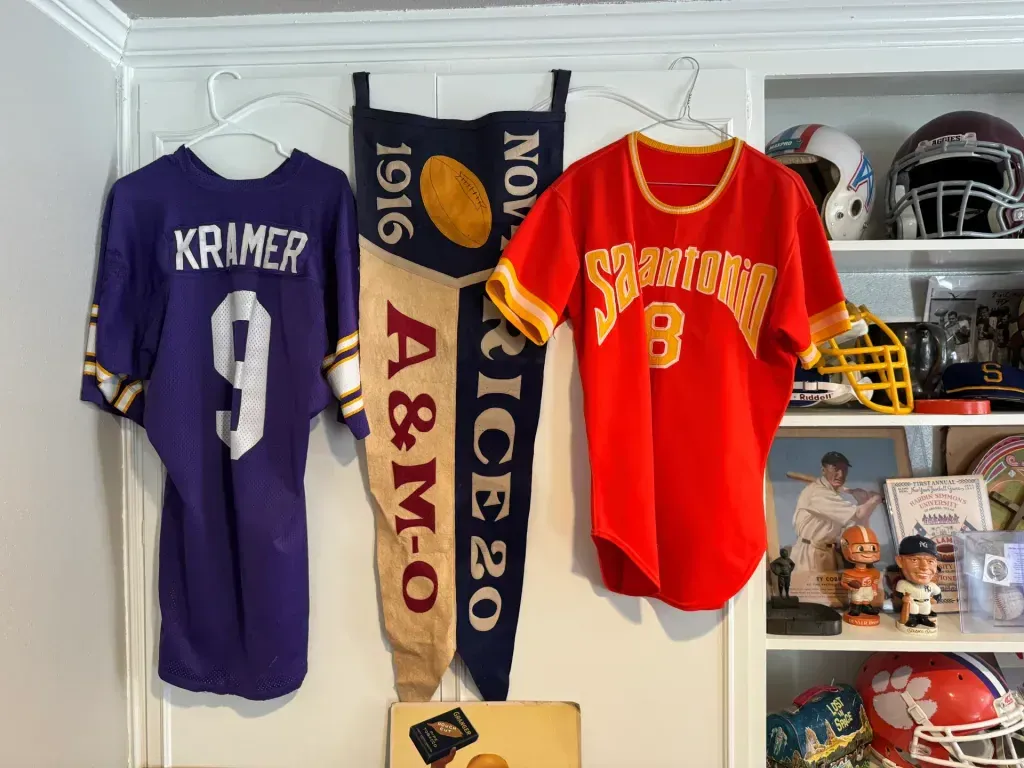
The market for game-used equipment has shifted. You can move inventory through consignment shops, online auctions, private dealers, or direct-to-collector sales. Each channel takes different cuts and moves different speeds. A consignment shop in San Antonio takes 40 to 50 percent but handles foot traffic and local buyers who want to inspect before paying. Online auctions reach national bidders but charge listing fees, final-value fees, and eat into your margin on slower lots. Private dealers buy outright and pay you same-day, but they offer below-market prices because they carry the holding cost and resale risk. Direct sales to collectors skip the middleman but require you to handle shipping, respond to tire-kickers, and process your own payment—and you absorb chargebacks.
Condition assessment for collectibles is not guesswork. A jersey graded Excellent (9.0) in the Sportscard Grading Standards sells for triple what a Good (6.0) pulls. The difference is visible seam separation, fading, missing patches, or stains that won't come out. When you list, be brutal about grading. Pad the condition and you'll face returns, negative feedback, or payment disputes that lock up your cash for weeks. Measure wear against the standard for that piece's age. A 1980s baseball card with light corner wear is not the same as a modern card with the same damage.
Trade-in options exist if you want to turn inventory fast. Some local dealers will take game-used equipment off your hands as part of a bundle—you sell them one premium jersey and they absorb two slower-moving items in the same transaction. This works when you have clutter you can't price individually. The trade-in value is always less than what you'd get selling it yourself, but you recover cash without waiting.
Pricing by condition level follows the market, not your hopes. Check completed sales of comparable items over the last 30 days, not asking prices that never sold. A signed Spurs warm-up jacket in Near Mint condition (9.5) with full provenance documentation sold last month for a specific price—that sets your floor. The same jacket in Very Good condition (7.0) because the cuff seams are loose drops 40 to 50 percent. Game-worn equipment that came directly from the player or the team typically commands higher prices than memorabilia with unclear origin, even if the wear looks identical. Document that lineage and mention it in the title and description. Shipping and logistics for collectibles cost more than you think. Priority mail with signature confirmation for anything over five hundred dollars is not optional—it protects both you and the buyer. Fragile items like signed bats or helmets need custom boxes, foam inserts, and insurance. A five-hundred-dollar baseball card can travel in a padded mailer with tracking. A game-worn jersey needs a box that won't let it shift. Account for packaging cost when you price, or it erodes your margin on every sale.
Most sellers think they need to list items themselves on an online sports gear marketplace or haul boxes to an auction house across the state. We handle that work for you.
An appraisal certificate documents the current market value of your items for insurance, estate planning, or tax purposes.
Condition grade directly affects price. A mint unworn pro stock equipment piece commands a premium over the same jersey with visible game wear.
Consignment is the path for high-value pieces. A championship ring or a Hall of Famer signed baseball can sit on our platform for weeks or months while we market it to serious collectors…
Out-of-area sellers ship items to us in secure boxes. Jerseys and equipment are packed in acid-free tissue and rigid boxes to prevent creasing or damage in transit.
The market for game-used equipment has shifted. You can move inventory through consignment shops, online auctions, private dealers, or direct-to-collector sales.
Why homeowners call us
The person who looks at what you have is the person who makes the offer and pays for it. No call centre, no consignment queue, no waiting on a decision from somewhere else.
Offers are based on recent comparable sales and the condition of the item in front of us, and we will show you both. If something is worth more elsewhere, we will say so.
Send photographs, get a quote, then post the item or arrange to meet. Nothing is committed until you accept the number.
Sellers around San Antonio can be seen in person, and anyone further out can post items in with tracking and insurance.
FAQ
Contact us with a description of what you have—jersey, cards, signed items, equipment. Bring items to our San Antonio location or ship them in a secure box. We inspect everything, issue a written cash offer, and cut a check within a few business days if you accept. No listing fees, no auction delays.
Game-used items are equipment or gear that was present in a game, even if not directly worn by a player—a bat in the dugout, a warm-up jacket. Game-worn items are pieces physically worn by a player during competition—a jersey with visible sweat and wear, a glove broken in over a season. Game-worn pieces command higher prices because the provenance is more direct.
No, but it increases your offer. A card already graded by PSA or BGS sells faster and for more money than a raw card. A jersey with photo-matching documentation or a signed item with a certificate of authenticity commands a higher bid. We can point you to a third-party authenticator if you prefer.
Value depends on condition, rarity, player fame, and recent comparable sales. A Hall of Famer signed item is worth more than a journeyman's signature. A vintage card in mint condition is worth multiples of the same card in played-with condition. We research comparable sales from the last 6 to 12 months and provide a formal appraisal or cash offer based on actual market data.
Consign high-value pieces over $500 that you are willing to wait weeks or months to sell—championship rings, Hall of Famer signed gear. Sell outright for bulk lots, common items, or when you need fast cash. Consignment typically nets a higher final price but takes time. Direct purchase is faster and guarantees payment this week.
Yes. Bring items in or ship them to us. We identify, appraise, and price everything for you. Inherited a box of old cards or equipment? We sort through it, assess condition, and tell you what is valuable and what is common. No charge for the review.
Call 726-237-8297 or send photographs and we will come back with a number.